Do you love the charm of weathered, rustic wood but don’t have any old barn boards lying around? Me too! I’ve always adored the character of reclaimed wood, but let’s be honest—it can cost a small fortune and isn’t always easy to find. That’s why I figured out a simple way to make any wood look old, even if it’s brand-new. And guess what? You can do it too, in just three easy steps!

If you’re tackling DIY projects and love learning easy ways to elevate your space, you’ll want to check out my post on how to stain wood – step-by-step tutorial. It’s the perfect companion to this project and will help you achieve a flawless finish every time!
Now, back to making new wood look beautifully old—let’s get started!
How to Make Wood Look Old in 3 Simple Steps
This method is a go-to for me, and I’ve used it on several projects. I first tried it on the shelves above our desk during our home office makeover. Paired with black iron brackets, they looked like they came straight out of an antique store! I loved it so much that I used the same technique for our open kitchen shelves and pantry shelving.
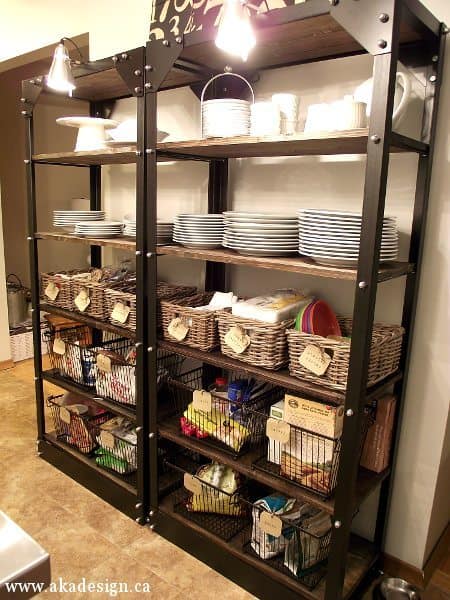
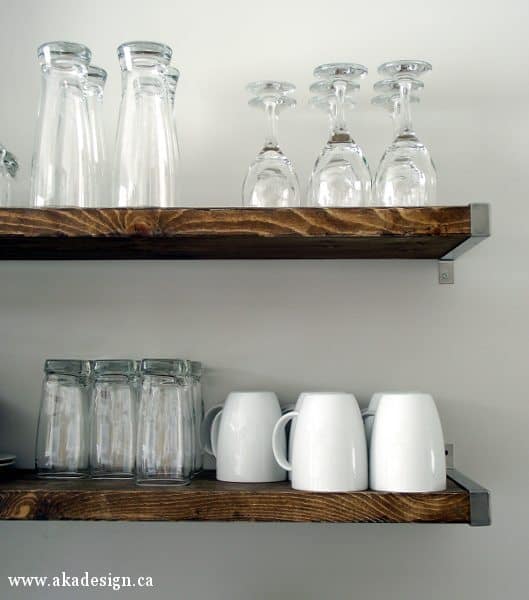
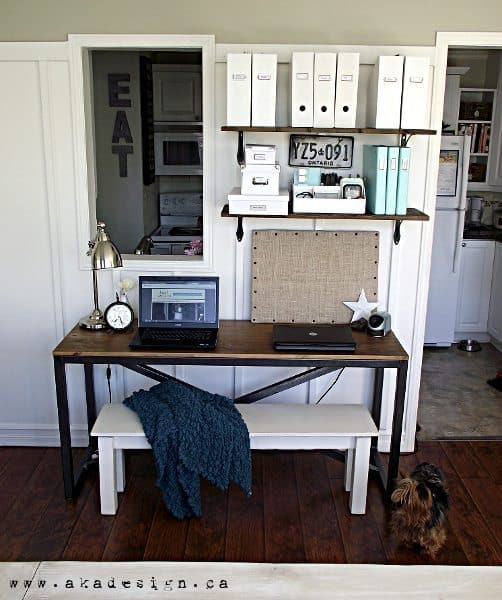
Here’s how you can achieve that same vintage look:
Supplies You’ll Need
Materials:
- New wood (pine is ideal for distressing)
- Stain (I recommend Minwax Dark Walnut Stain for a deep, rich tone with gray undertones)
Tools:
- Palm sander (or medium-grit sandpaper)
- Hammer, nails, keys, or chain (for distressing)
- Foam paint brush
- Lint free rag
- Drop cloth (optional, but great for protecting your workspace)
Instructions:
Step 1: Prep the wood
Start by sanding the wood thoroughly to remove rough edges and splinters. Pay extra attention to the edges—round them slightly to mimic natural wear and tear. This step creates a more authentic look and ensures the wood is smooth to the touch.

Step 2: Distress the wood
Now, it’s time to have some fun! Use tools like a hammer, nails, keys, or a chain to create dents, dings, and imperfections. Randomly bang the tools against the surface to mimic the natural wear that happens over time. Be sure to distress the edges as well, as this is where real aging would typically occur. Don’t overthink it—imperfection is the goal!

Step 3: Stain the wood
Lay the wood on a drop cloth or a protected surface. Using a foam brush, generously apply the stain, working it into the dents and grooves you created. Let the stain sit for about 5–10 minutes to allow it to soak in. Then, using a lint-free rag, gently wipe off the excess stain. This step highlights the distressed areas beautifully, giving them that rich, aged look.

Step 4: Let it dry
Allow the wood to dry completely before using it in your project. Drying times vary depending on the stain, so check the instructions on the product you’re using. Once dry, the wood is ready to be incorporated into your project!

FAQs
Yes! This technique works on most types of wood, but softer woods like pine are easier to distress.
Opt for a lighter stain with gray undertones and wipe it off sooner for a subtler look.
I don’t recommend it. Sanding smooths rough edges and creates a more authentic, worn appearance.
It can get a little messy, but using a drop cloth and wearing gloves makes cleanup easy.
Depending on the size of the wood and drying time, this project typically takes 1–2 hours.
More DIY Finishing Ideas
- Painting Furniture: How to Paint Furniture
- How to Whitewash Stain
- How to Stain Wood – Step-by-Step Tutorial
- How to Get the Lime Wash Washed Wood Finish
- Grey Wash Wood Finish
- How to Make Wood Look Old in 3 Simple Steps
- How to Protect a Restoration Hardware Dining Table
- Best DIY Sealers and Protectants for Beautiful, Durable Projects
- The Best DIY Wood Finishes: Transform Your Projects with Style

How to Make New Wood Look Old Tutorial
Learn how to make wood look old with this 3-step process! Add vintage charm to new wood easily with sanding, distressing, and stain.
Materials
- New wood (pine is ideal for distressing)
- Stain (I recommend Minwax Dark Walnut Stain for a deep, rich tone with gray undertones)
Tools
- Palm sander (or medium-grit sandpaper)
- Hammer, nails, keys, or chain (for distressing)
- Foam paint brush
- Lint free rag
- Drop cloth (optional, but great for protecting your workspace)
Instructions
- Sand the wood to remove any roughness, rounding the edges slightly to mimic natural wear and tear. This gives it that "loved over time" look.
- Distress the wood by adding dents, dings, and imperfections. Use tools like a hammer, keys, or a chain—get creative and have fun! Don’t forget to rough up the edges, as that’s where wear naturally happens.
- Apply a dark stain (I recommend Minwax Dark Walnut) with a foam brush. Let the stain settle into the grooves and dents for a few minutes, then gently wipe off the excess with a lint-free rag. The stain will highlight the distressed areas, making them pop.
- Let the wood dry completely, and voilà—your “old” wood is ready to shine!
I love how simple this process is—it’s quick, easy, and makes a huge difference in the character of your project. Whether you’re making shelves, signs, or another DIY project, this technique is a surefire way to get that vintage, weathered look without the hefty price tag.
Have you tried making new wood look old? If so, I’d love to hear how it went or see pictures of your projects! Let me know in the comments below.

Want to see more content like this in your Google searches?
This button tells Google that Home Made Lovely is a source you like, so it can show you more of it.