Have you ever stood in front of a raw piece of wood, ready to tackle your next project, but felt completely unsure about how to finish it? I’ve been there so many times! Picking the right wood finish can make all the difference between a piece that blends into the background and one that becomes the star of your home. Over the years, I’ve tested all kinds of finishes—some turned out beautifully, and others… well, not so much. That’s why I’m excited to share my favorite techniques for the best DIY wood finishes to help you confidently choose the right one for your project.

If you love experimenting with wood finishes as much as I do, you’ll want to check out my post on how to lime wash wood for a warm, neutral finish. It’s one of my favorite techniques for achieving timeless elegance without the cool undertones of traditional whitewashing.
The Best DIY Wood Finishes
Wood finishes aren’t just about looks—they’re about protecting and enhancing your hard work. When I first started finishing wood pieces, I didn’t realize how much a good finish could transform a project. Not only do finishes highlight the natural beauty of the wood, but they can also help protect it from wear, moisture, and damage. (If you want to learn more about protecting your finish read my post, Best DIY Sealers and Protectants for Beautiful, Durable Projects.)
Whether you want a rustic charm, a sleek modern vibe, or something in between, there’s a finish out there that can help bring your vision to life.
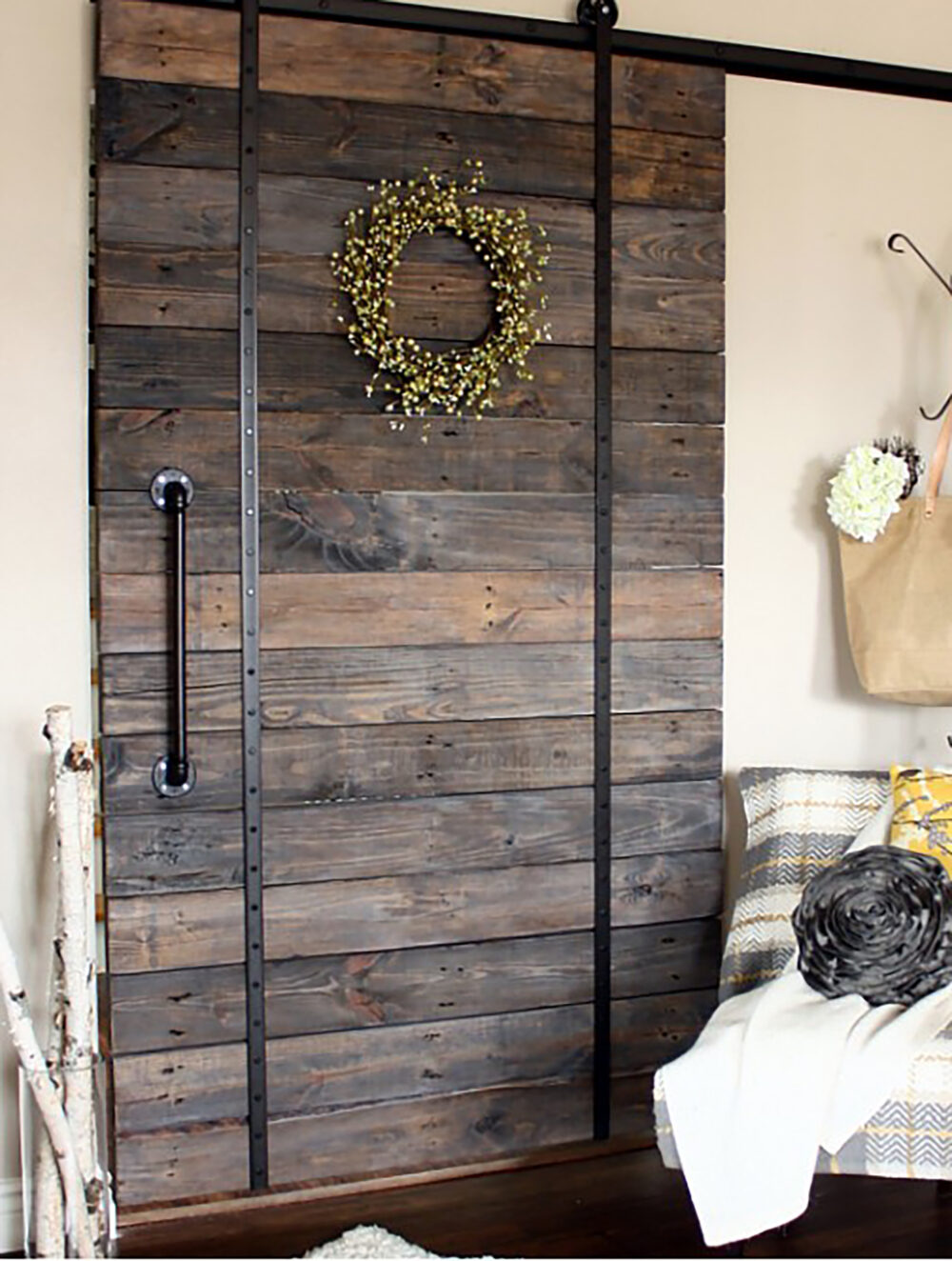
1. Grey Wash Wood Finish
A grey wash wood finish gives your furniture a soft, weathered look that’s perfect for farmhouse or coastal styles. I love how it adds rustic charm while keeping the wood grain visible.
- Color/Effect: Subtle grey tones for a rustic, aged look.
- Best For: Farmhouse or coastal furniture and decor.
- Sealing Needed: Optional but recommended for durability.
This technique is ideal for pieces like dining tables, cabinets, or shelves where you want a neutral, understated tone.


2. Lime Wash Wood Finish
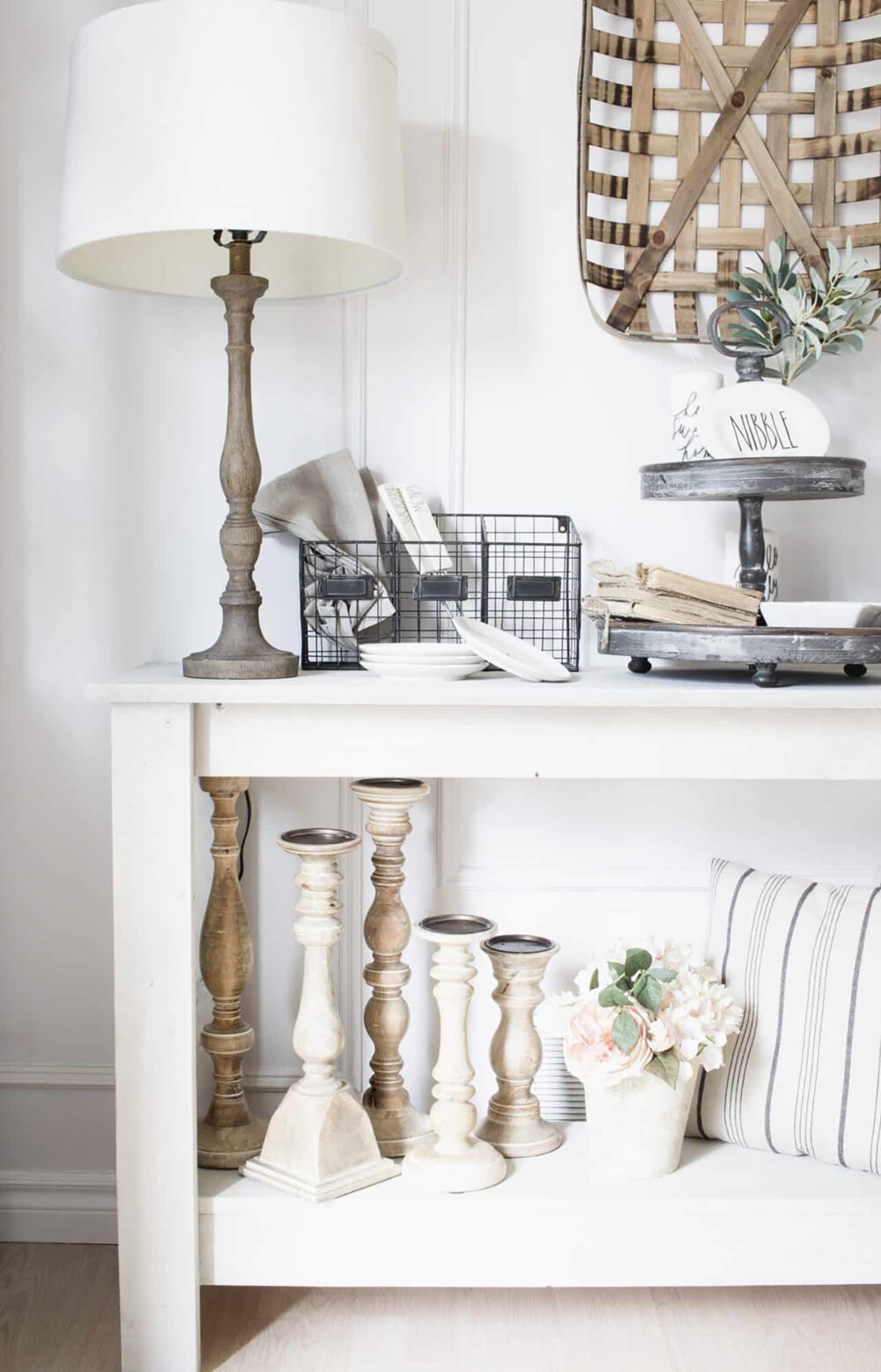
Lime washing is a beautiful way to add warm, neutral tones to wood while highlighting its natural grain. Unlike traditional whitewashing, lime wash avoids those cool blue undertones that can feel too stark.
- Color/Effect: Warm, neutral tones that enhance the wood grain.
- Best For: Modern, traditional, or transitional styles.
- Sealing Needed: Optional, depending on the piece’s use.
This is one of my go-to finishes for furniture that needs a timeless, elegant look.

3. Staining Wood
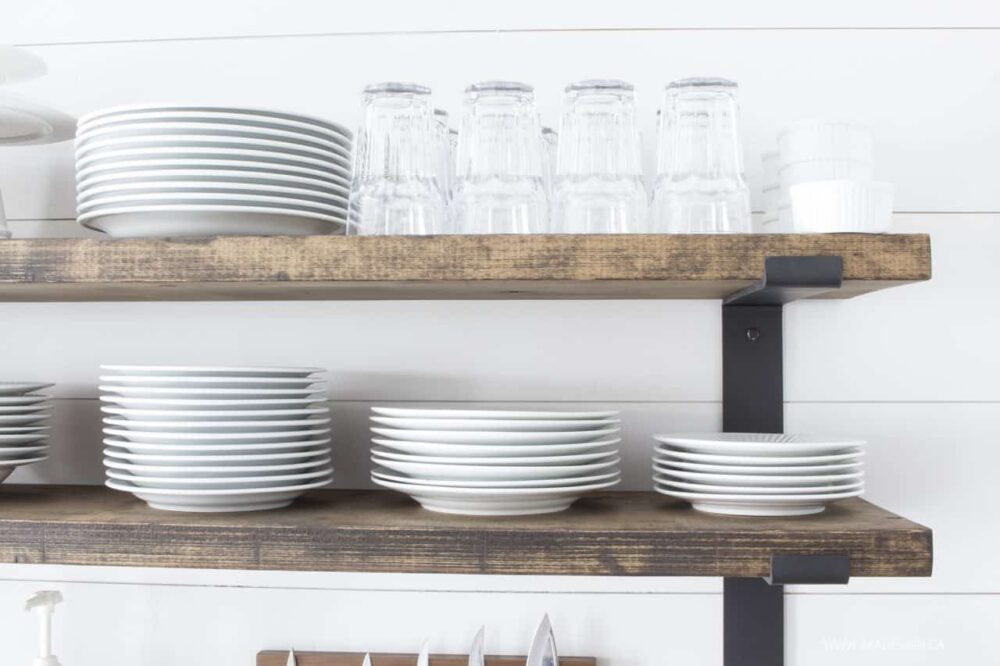
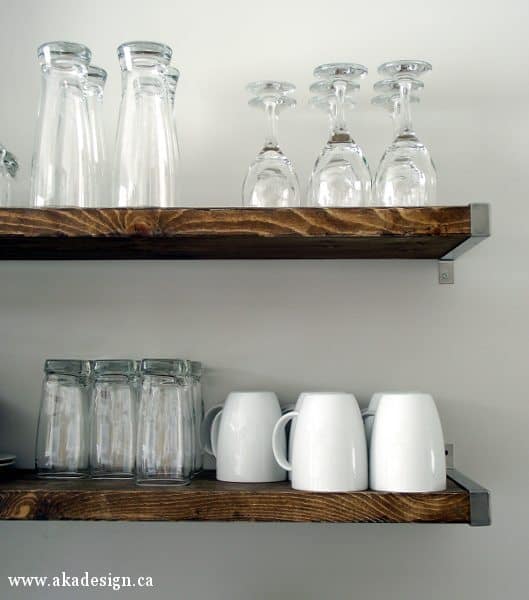
Staining is a classic finish that never goes out of style. It enhances the natural grain and lets you add depth with rich color.
- Color/Effect: Rich color that emphasizes the natural grain.
- Best For: Almost any wood project, from furniture to flooring.
- Sealing Needed: Yes, for protection and durability.
I often use stain on pieces where I want the wood itself to be the star of the show.

4. Whitewashing Stain
Whitewashing lightens wood and gives it a soft, airy feel. It’s a great way to tone down dark woods without losing their texture.
- Color/Effect: Lightened wood tones with visible texture.
- Best For: Shabby chic, Scandinavian, or rustic interiors.
- Sealing Needed: Yes, to protect the finish and prevent wear.
This technique is perfect for brightening up spaces while keeping a natural vibe.
5. Pickling
Pickling is a fun twist on whitewashing, offering soft pastel tones that let the wood grain shine. It’s especially beautiful on porous woods like oak.
- Color/Effect: Soft pastel tones that emphasize the wood grain.
- Best For: Cottage or coastal-style furniture and decor.
- Sealing Needed: Yes, to lock in the finish.
It’s my top choice when I want to add a breezy, casual feel to a room.


6. Bleaching Wood
Bleaching lightens the wood significantly while keeping the grain visible, creating a bright and modern look.
- Color/Effect: Bright, natural tones with visible grain.
- Best For: Modern, minimalist, or coastal decor.
- Sealing Needed: Yes, to preserve the lightened appearance.
This technique is perfect for clean, airy interiors.
7. Painting Wood
For a bold transformation, nothing beats painting. It covers the wood grain completely, letting you play with colors and styles.
- Color/Effect: Solid color that hides the wood grain.
- Best For: Furniture or decor pieces where the wood grain isn’t a focal point.
- Sealing Needed: Yes, for long-lasting durability.
I love using paint to bring new life to old, worn-out pieces.
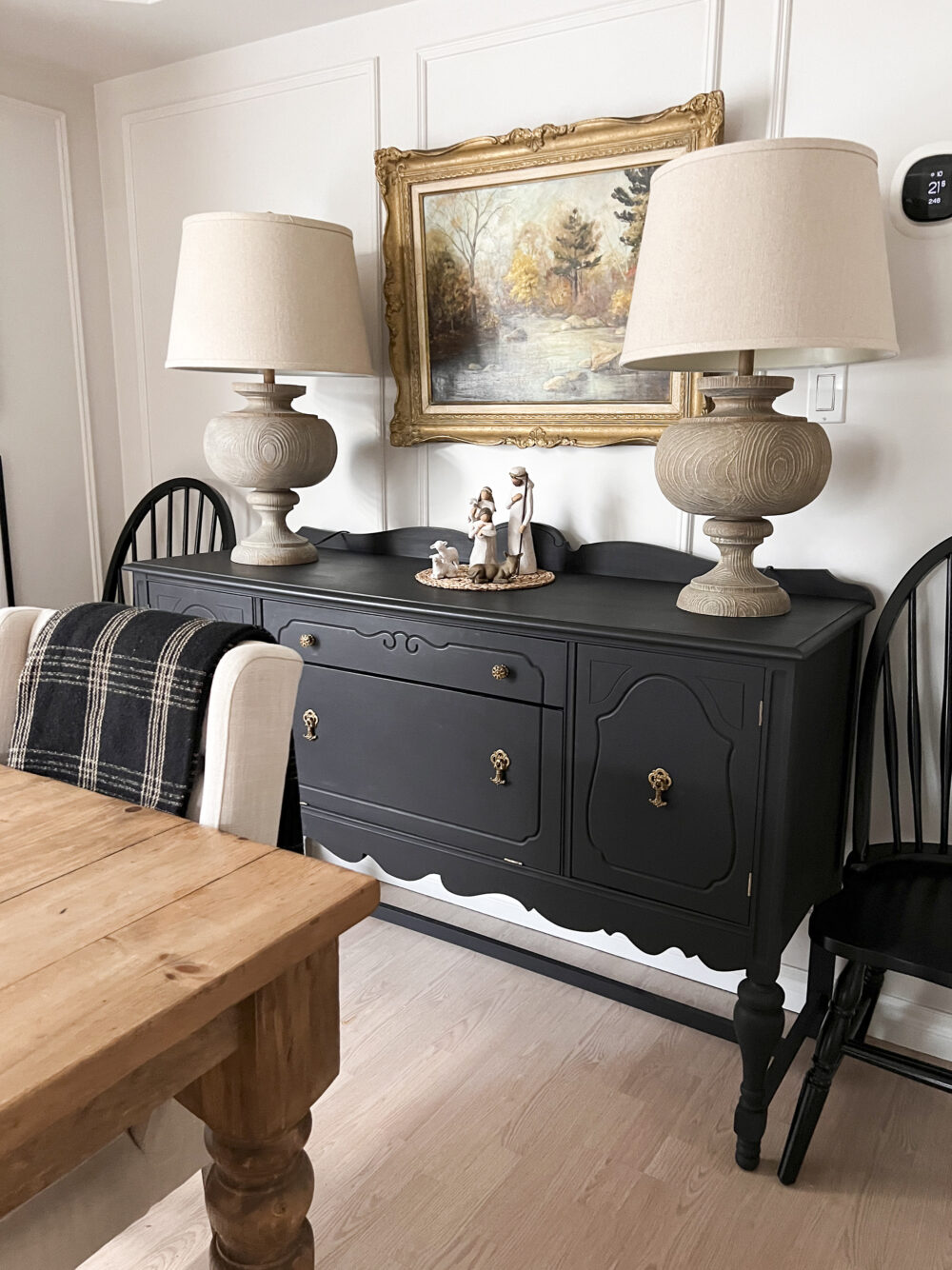


8. Colored Wax (e.g., Dark Wax)
Dark wax is one of my favorite ways to add depth and dimension to wood. It settles into crevices and highlights details, creating a vintage-inspired patina.
- Color/Effect: Adds depth, patina, and contrast to painted or raw wood.
- Best For: Vintage or antique furniture, carved or distressed pieces.
- Sealing Needed: Yes, for added durability.
It’s perfect for creating character and texture on painted furniture.


FAQs About DIY Wood Finishes
Absolutely! I often combine stains with colored wax to create depth and contrast.
Whitewashing or staining are great beginner-friendly options. They’re forgiving and easy to work with.
Sealing isn’t always necessary, but it adds durability—especially for pieces like tables or shelving that get a lot of use.
More DIY Finishing Ideas
- Painting Furniture: How to Paint Furniture
- How to Whitewash Stain
- How to Stain Wood – Step-by-Step Tutorial
- How to Get the Lime Wash Washed Wood Finish
- Grey Wash Wood Finish
- How to Make Wood Look Old in 3 Simple Steps
- How to Protect a Restoration Hardware Dining Table
- Best DIY Sealers and Protectants for Beautiful, Durable Projects
- The Best DIY Wood Finishes: Transform Your Projects with Style
Finding the best DIY wood finishes has completely transformed how I approach my projects, and I hope this guide does the same for you. Whether you’re trying a rustic grey wash, a classic stain, or a bold painted finish, there’s a technique here that will fit your vision. I’d love to hear about your projects—share your favorite finishes or ask questions in the comments below. Let’s make something beautiful together!

Want to see more content like this in your Google searches?
This button tells Google that Home Made Lovely is a source you like, so it can show you more of it.