
One of the joys of decorating is pulling together those little moments in your home that make it feel inviting and stylish. For me, creating vignettes—those intentional groupings of decor on a coffee table, bookshelf, or mantel—has always been a fun and rewarding way to add personality and warmth. But I know that for some, it’s not always easy to figure out where to start. What should you include? How do you make it look cohesive rather than cluttered?
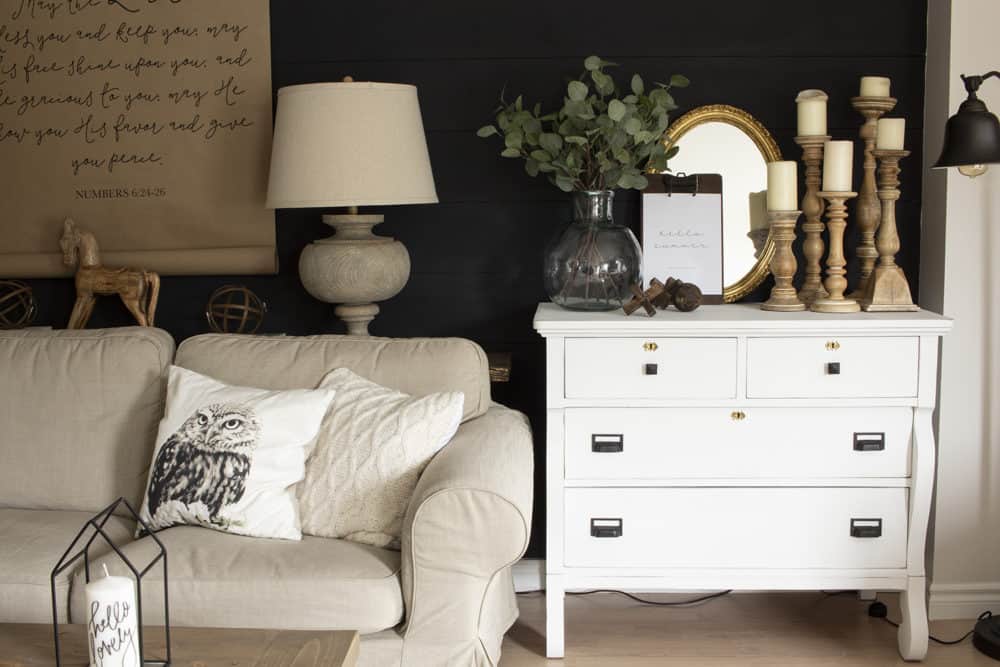
If you’re feeling stuck, don’t worry! I’ll walk you through six simple steps to help you create a beautiful vignette every time. And if you’re looking to freshen up your home with simple styling ideas, be sure to check out my post on How to Mix Throw Pillows with Style. It’s a great way to add a pop of personality to any room.
How to Create a Vignette in 6 Simple Steps
1. Ground Your Vignette
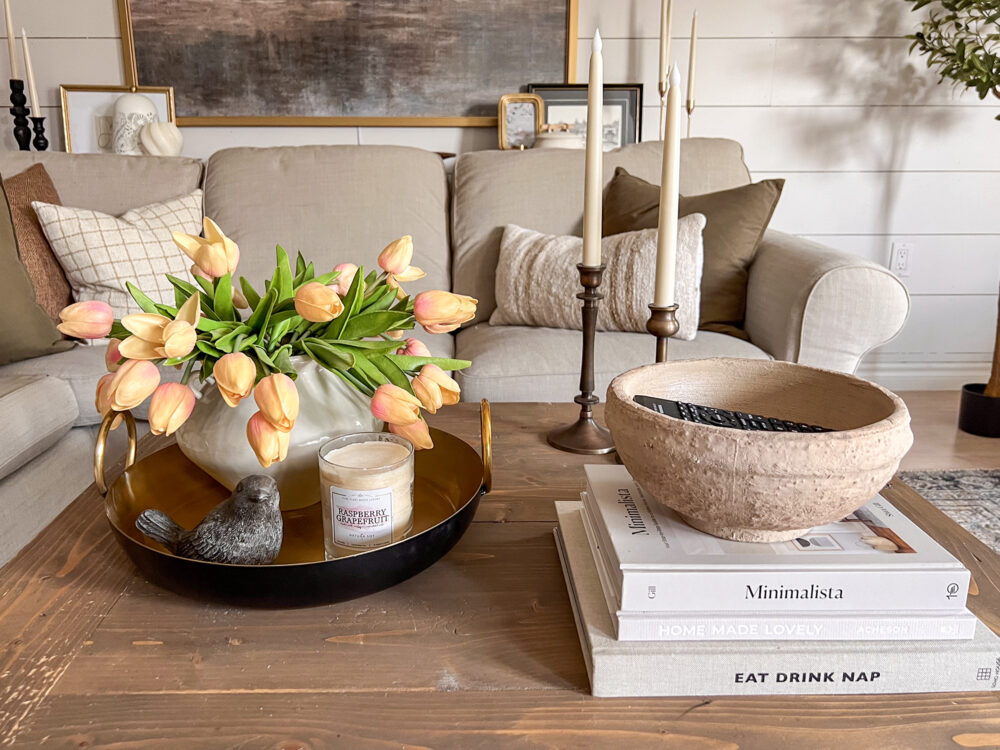
A grounded vignette feels intentional and cohesive, rather than scattered or random. Using a base—like a tray, placemat, or stack of books—helps tie your items together visually while also defining the space they occupy.
Here are some practical ways to ground your vignette:
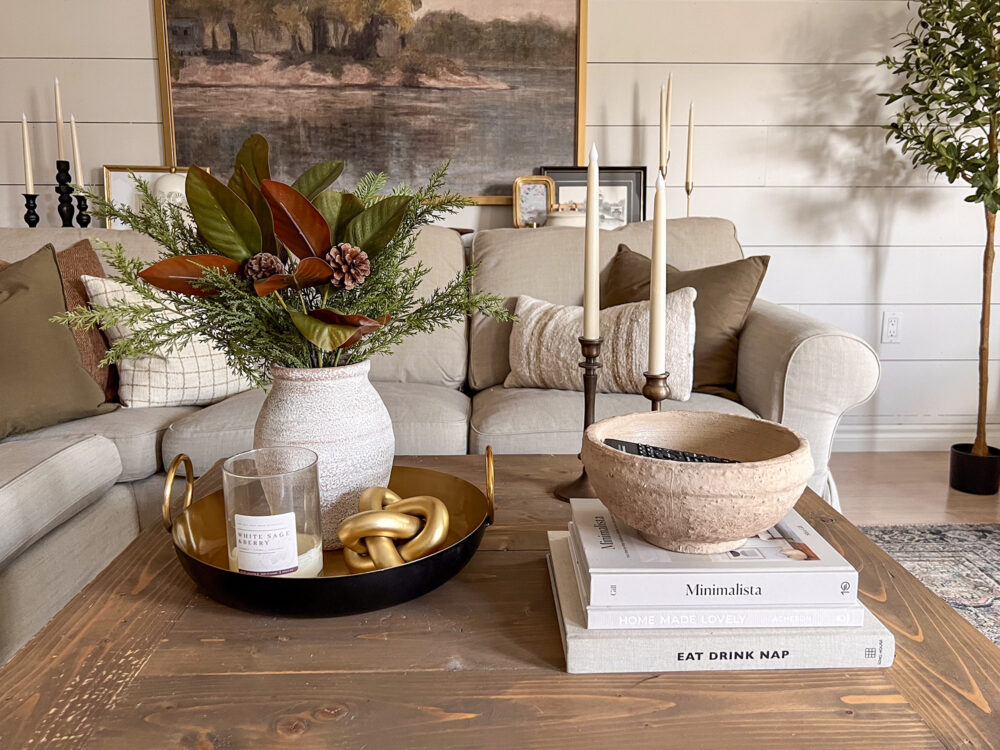
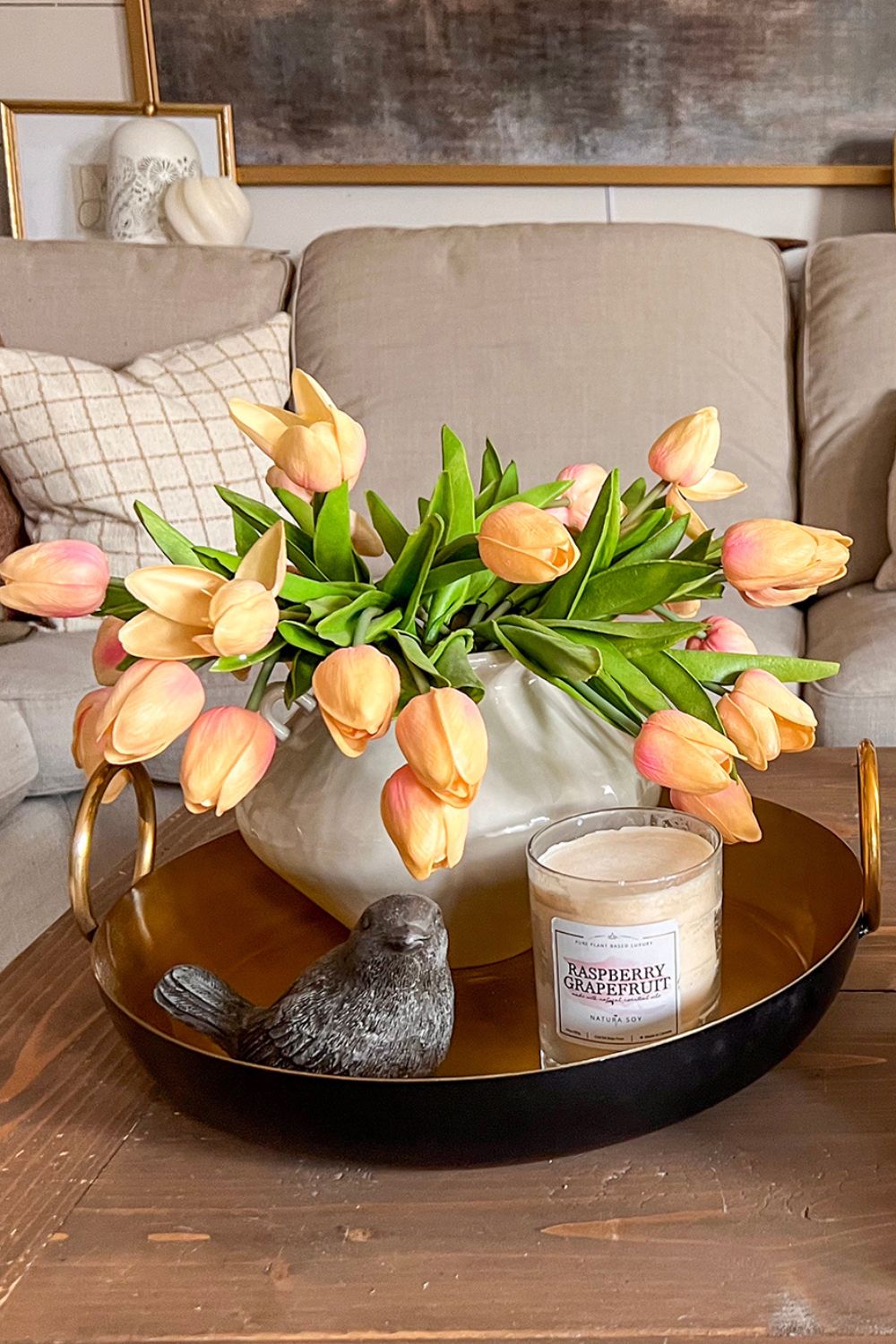
- Trays: A decorative tray works wonders for coffee tables, kitchen counters, or entryway tables. Use it to group candles, a small plant, and a dish for keys or jewelry.
- Placemats or Chargers: For dining tables or sideboards, a textured placemat or charger adds subtle definition to your vignette. Try placing a vase and a couple of candlesticks on one for a polished look.
- Books: A stack of books not only adds height but also acts as a base to unify smaller items like candles, figurines, or small plants. Choose books with covers that complement your color palette.
Example: On a kitchen counter, you could use a wooden tray as your base, add a small potted herb, a jar of utensils, and a candle. In an entryway, a round placemat can anchor a small lamp, a bowl for keys, and a framed photo.
By grounding your vignette, you create a focal point that feels thoughtfully styled while keeping everything neatly contained.
2. Anchor It
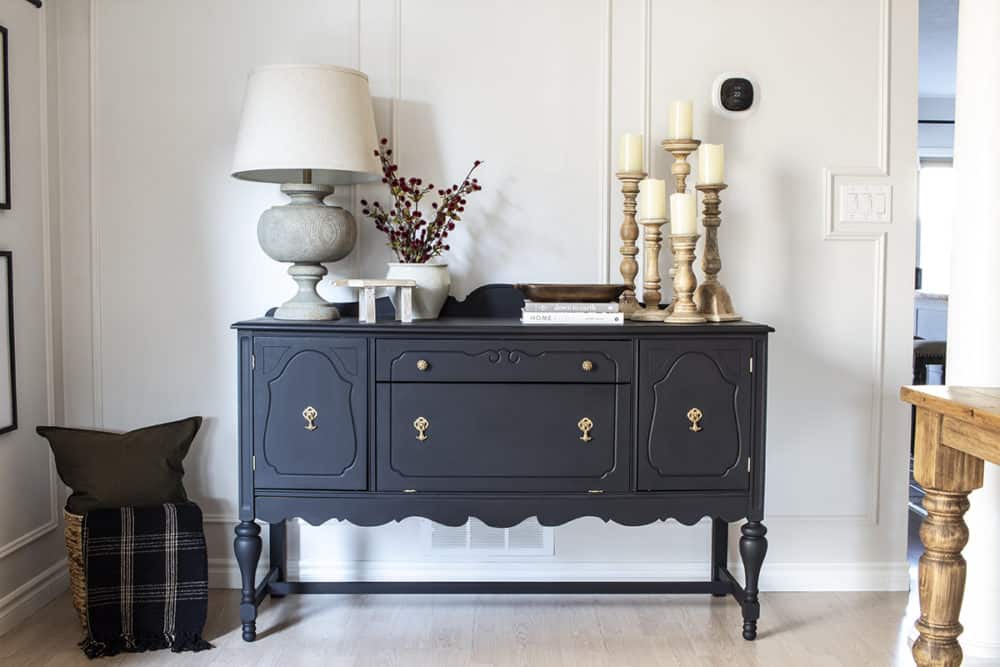
Start with a statement piece to anchor your vignette. Lamps are one of my favorites because they’re both functional and stylish. Other great anchor pieces include:
- A stack of coffee table books: Use books that reflect your personality or the season.
- A large vase: Fill it with greenery or flowers to add height and texture.
- A small sculpture or figurine: Choose something with a bold shape or unique design to make a statement.
When selecting your anchor, think about scale—it should be substantial enough to ground the vignette but not overpower the other elements.

3. Use Odd Numbers
Odd numbers create visual interest and balance. The simplest approach is to start with three items. For example:
- Entryway table: A tall lamp, a small bowl for keys, and a framed photo.
- Coffee table: A stack of books, a candle, and a decorative bead garland.
- Bookshelf: A vase, a small sculpture, and a framed piece of art.
Once you’re comfortable with three-item groupings, you can expand to five or seven pieces, keeping in mind the size of your surface.

4. Vary the Height
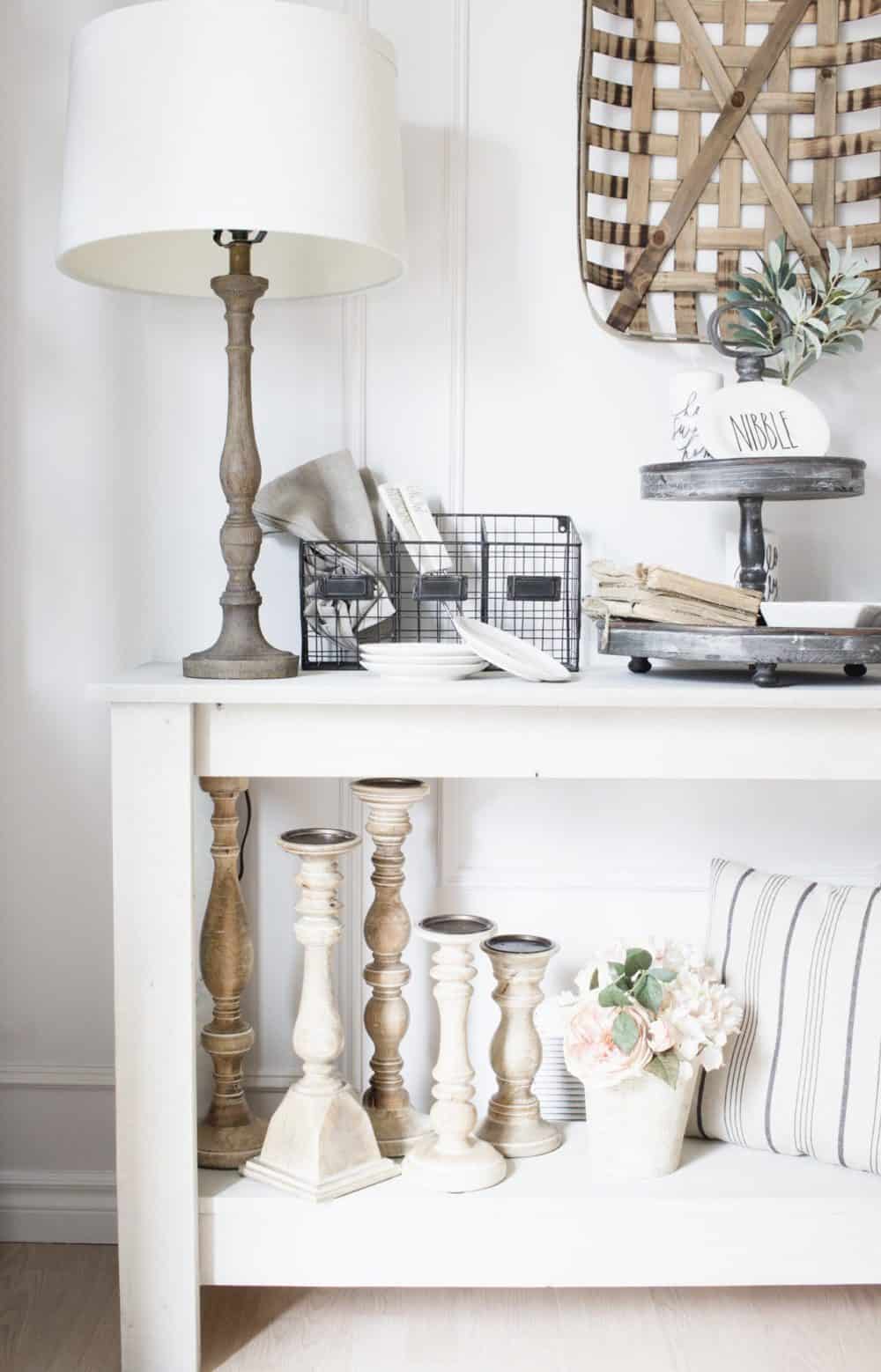
Height variation keeps your vignette from looking flat. Here’s how to achieve it:
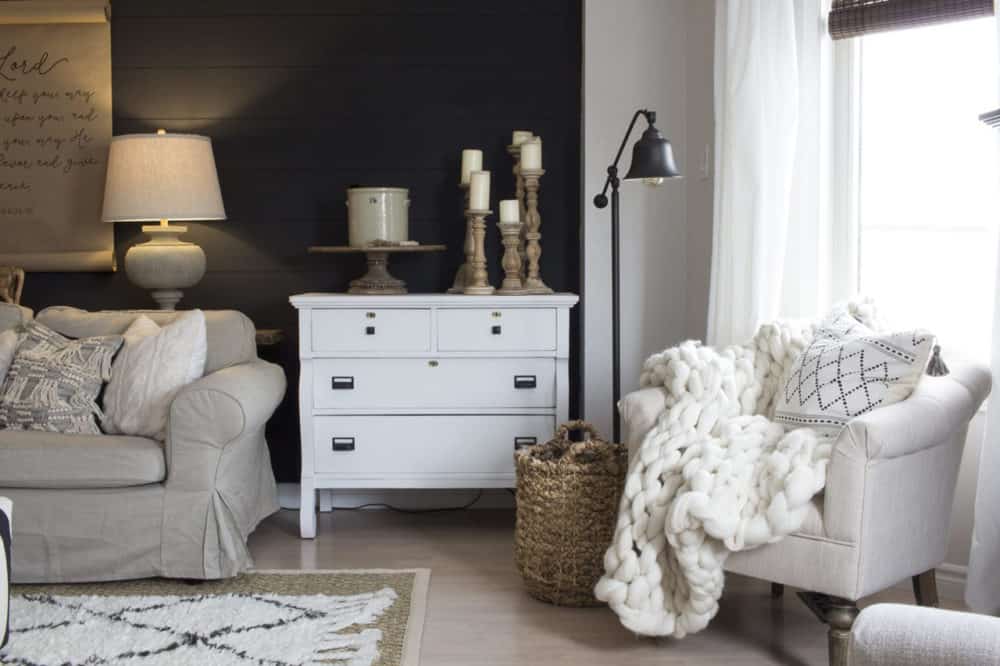
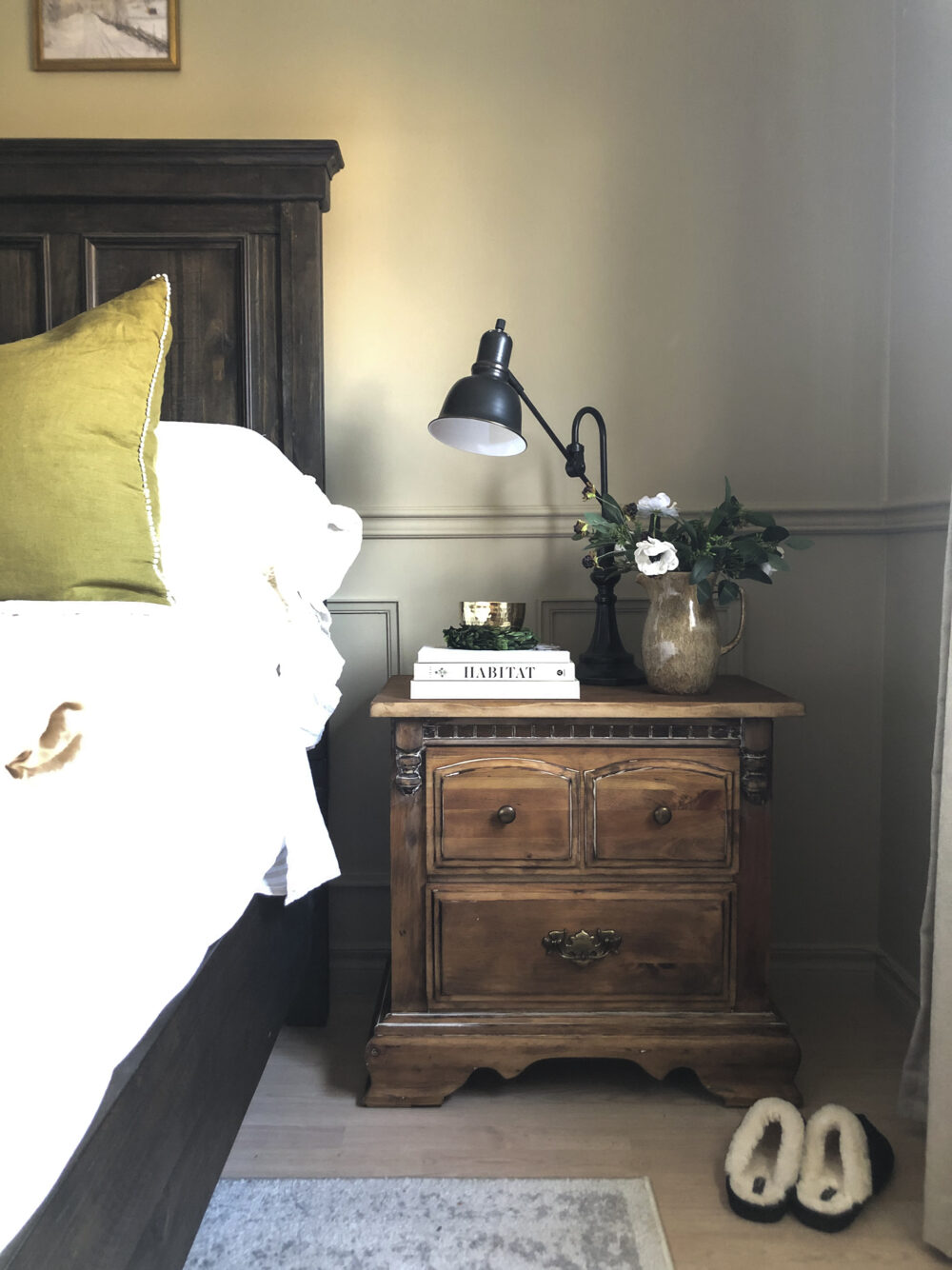
- Use a tall lamp or candlesticks as your highest point.
- Add a medium-height piece, like a potted plant or small framed photo.
- Include a low item, like a tray, a bowl, or a decorative box.
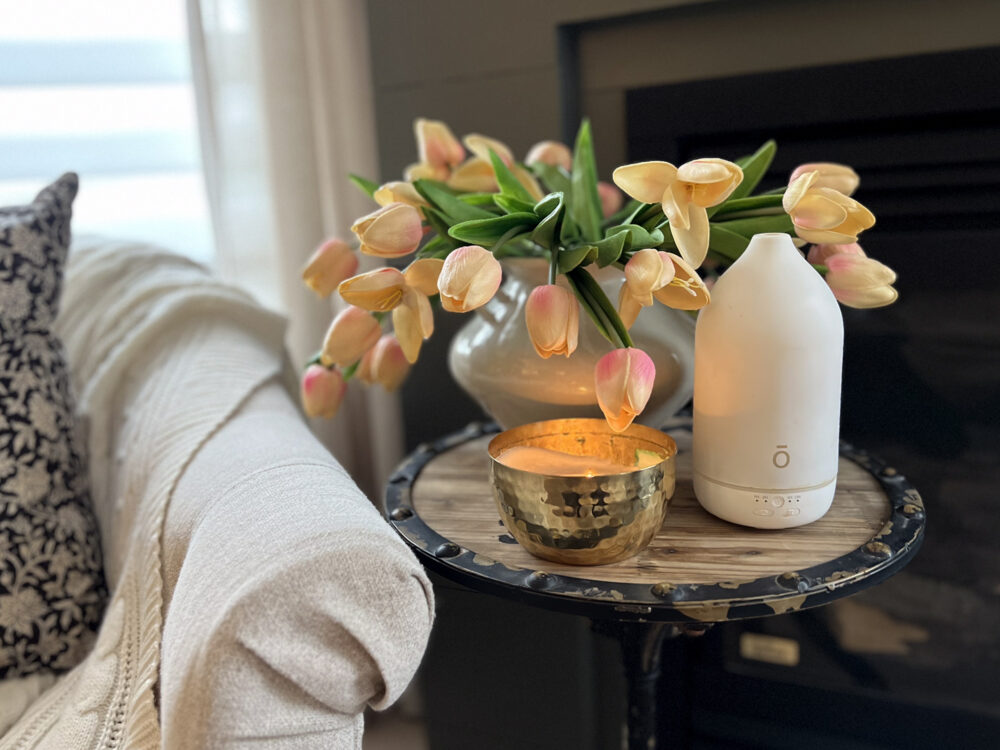
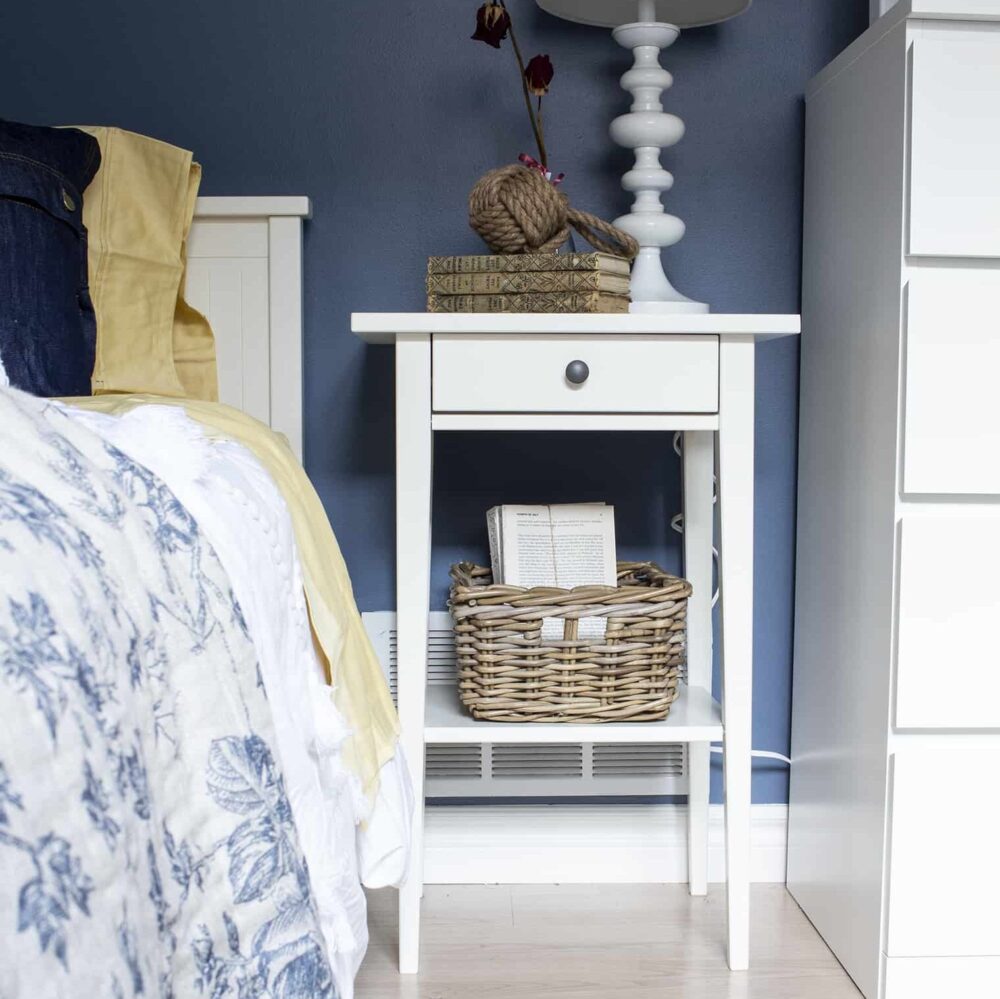
Tip: If you’re working with shorter items, stack books or use a riser to give them height. For instance, in a vignette on my desk, I used a stack of books to elevate a small vase of flowers.

5. Create Depth
Depth is essential for making your vignette feel dynamic rather than static. Instead of lining up items, layer them:
- Place taller items at the back, like a lamp or a framed piece of art.
- Position medium-sized objects slightly in front or to the side.
- Arrange smaller pieces, like candles or trinkets, in the front.
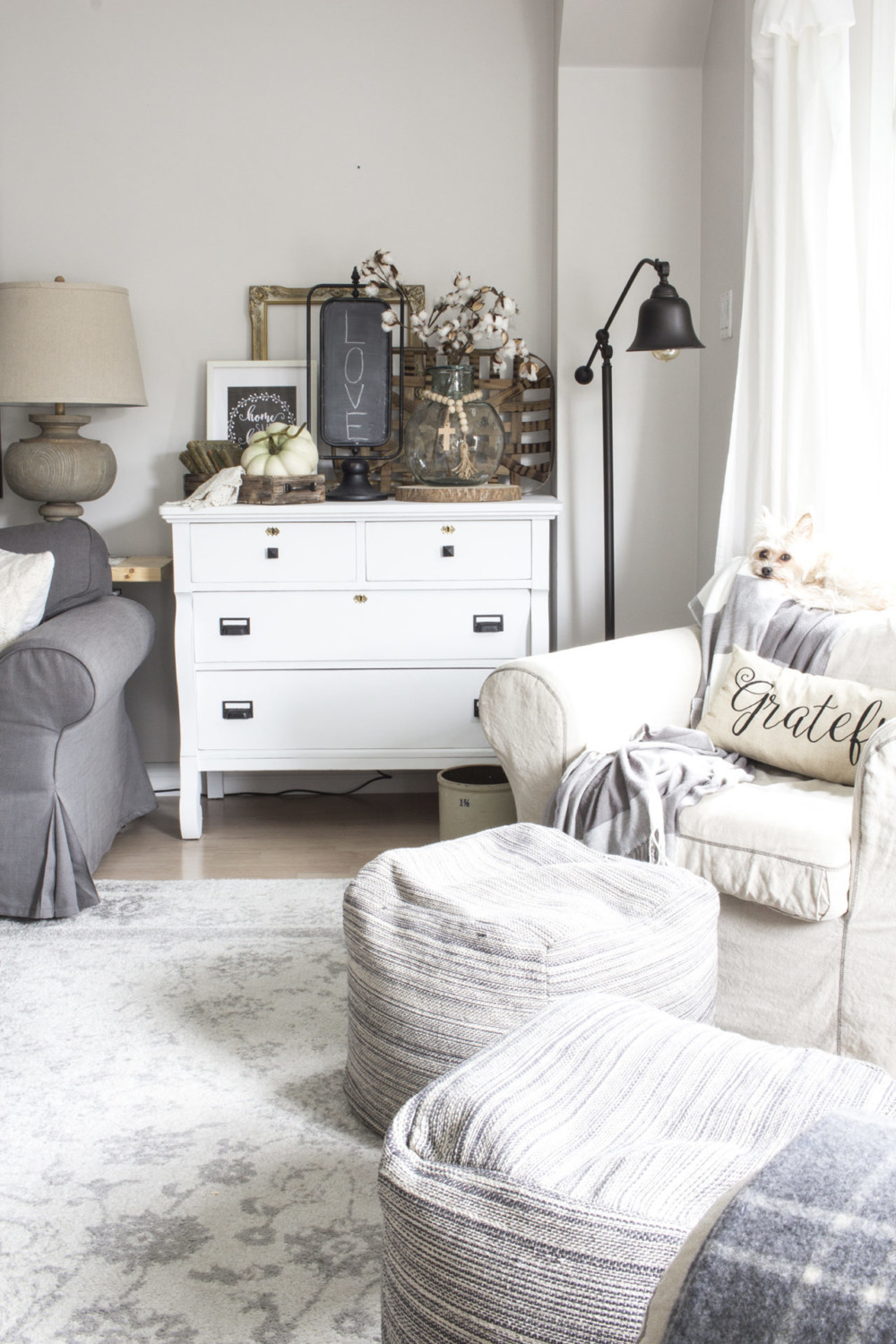
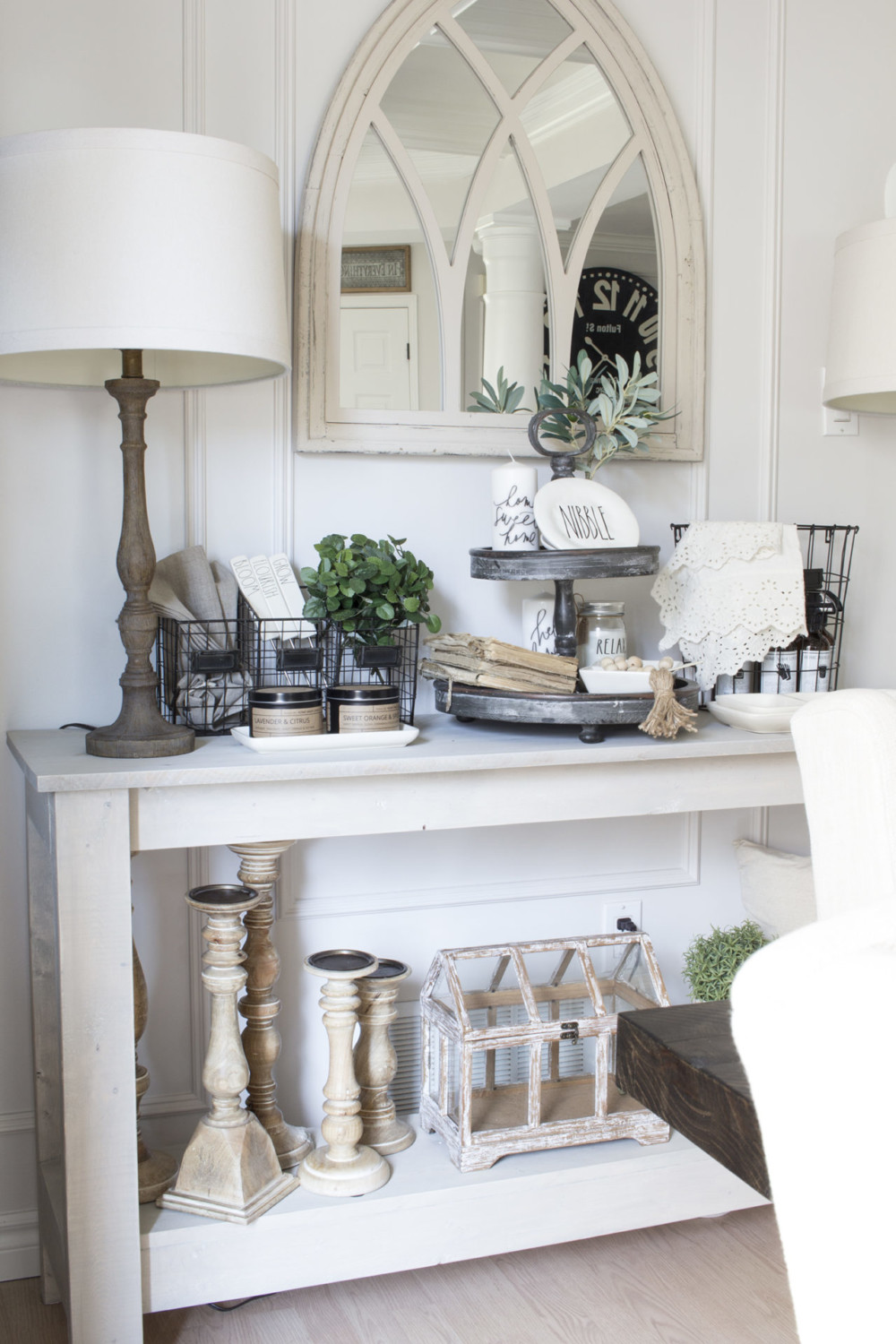
Example: On a mantel, you might start with a mirror as the backdrop, then layer in a tall vase with branches, a stack of books with a small sculpture on top, and a candle or two at the front.
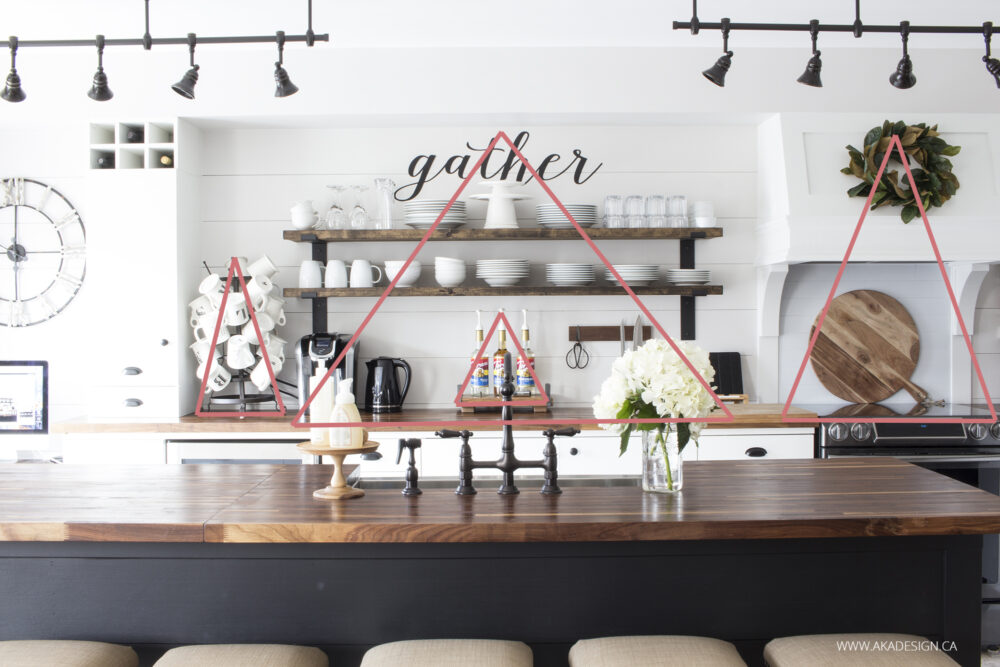
6. Use the Rule of Triangles
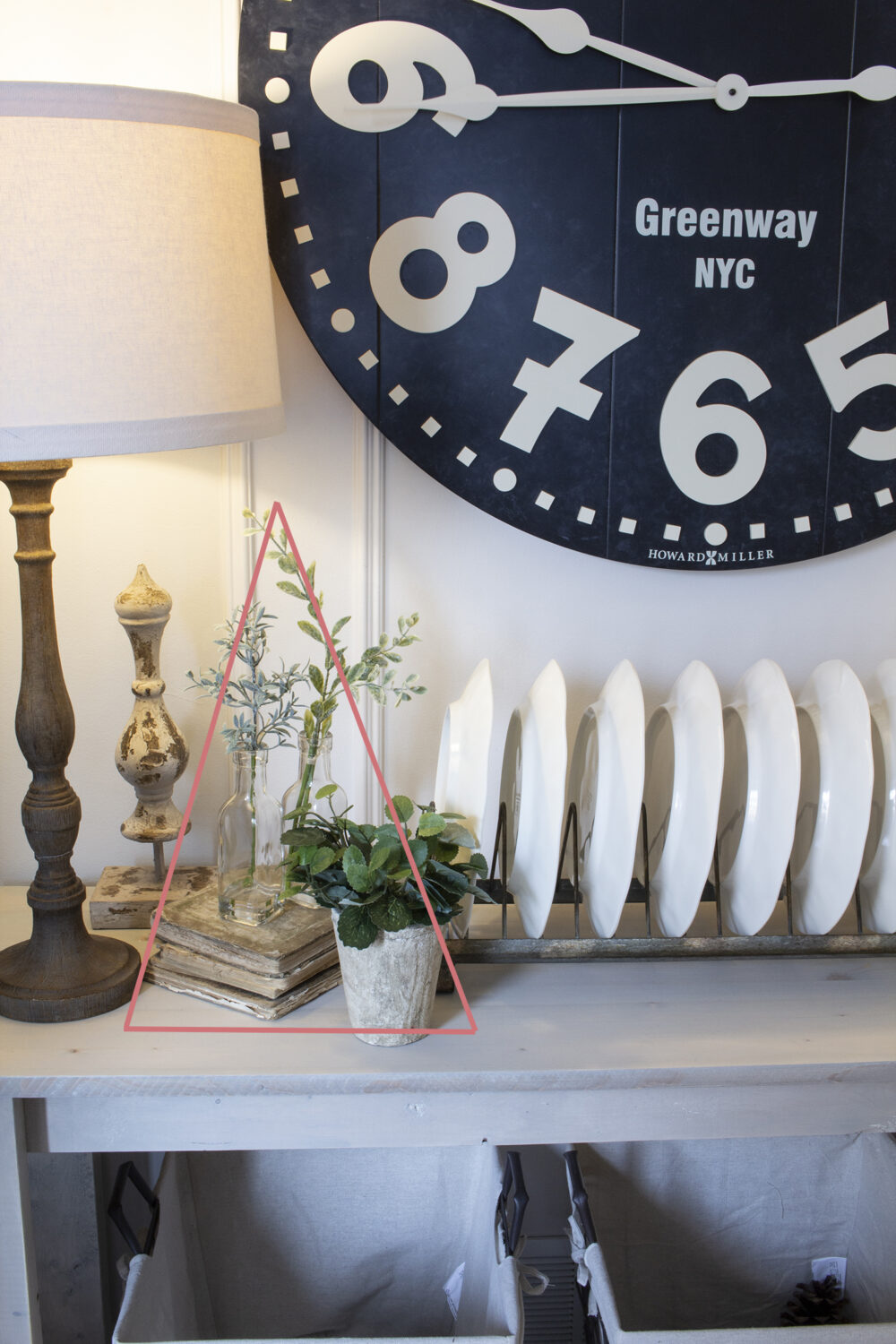
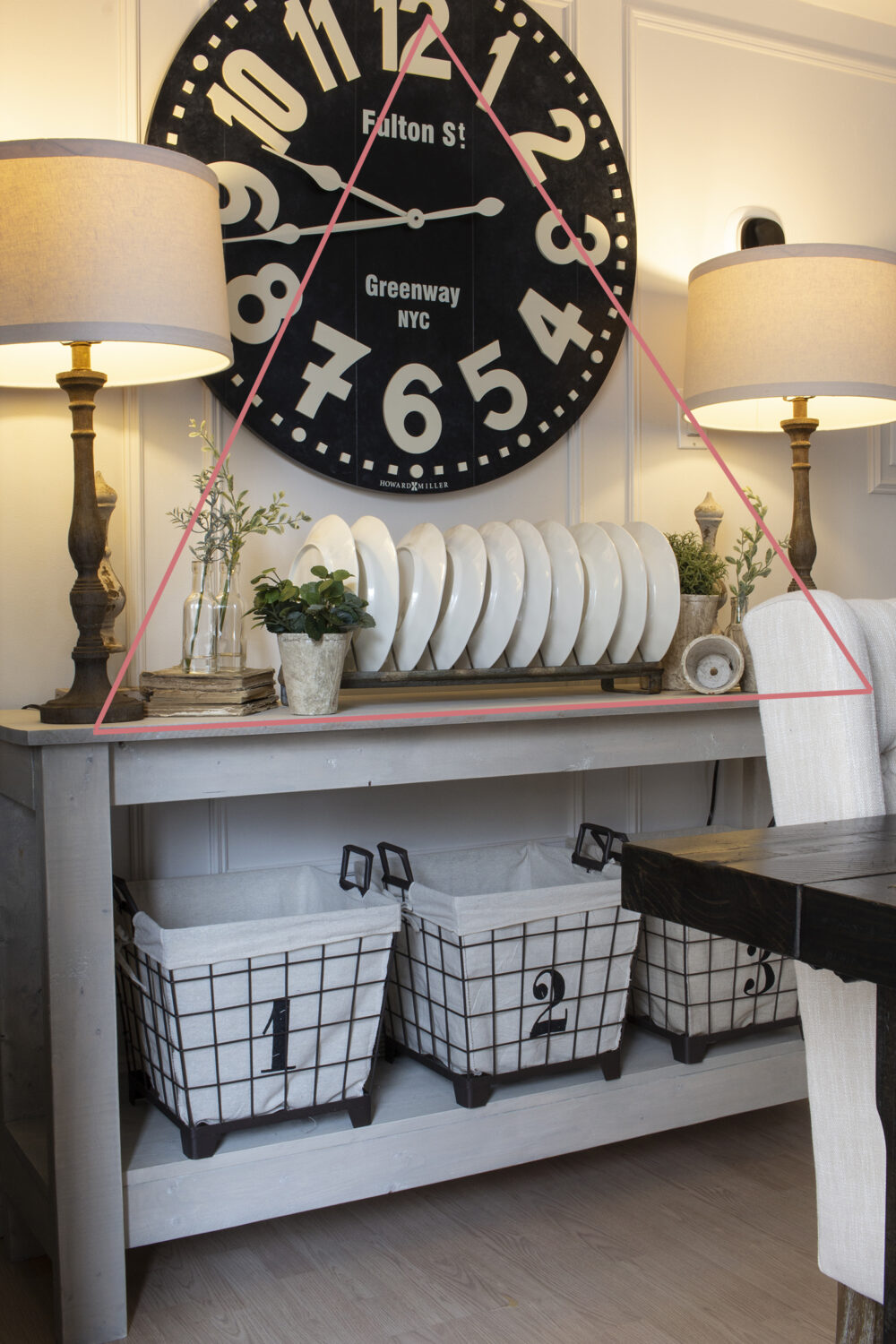
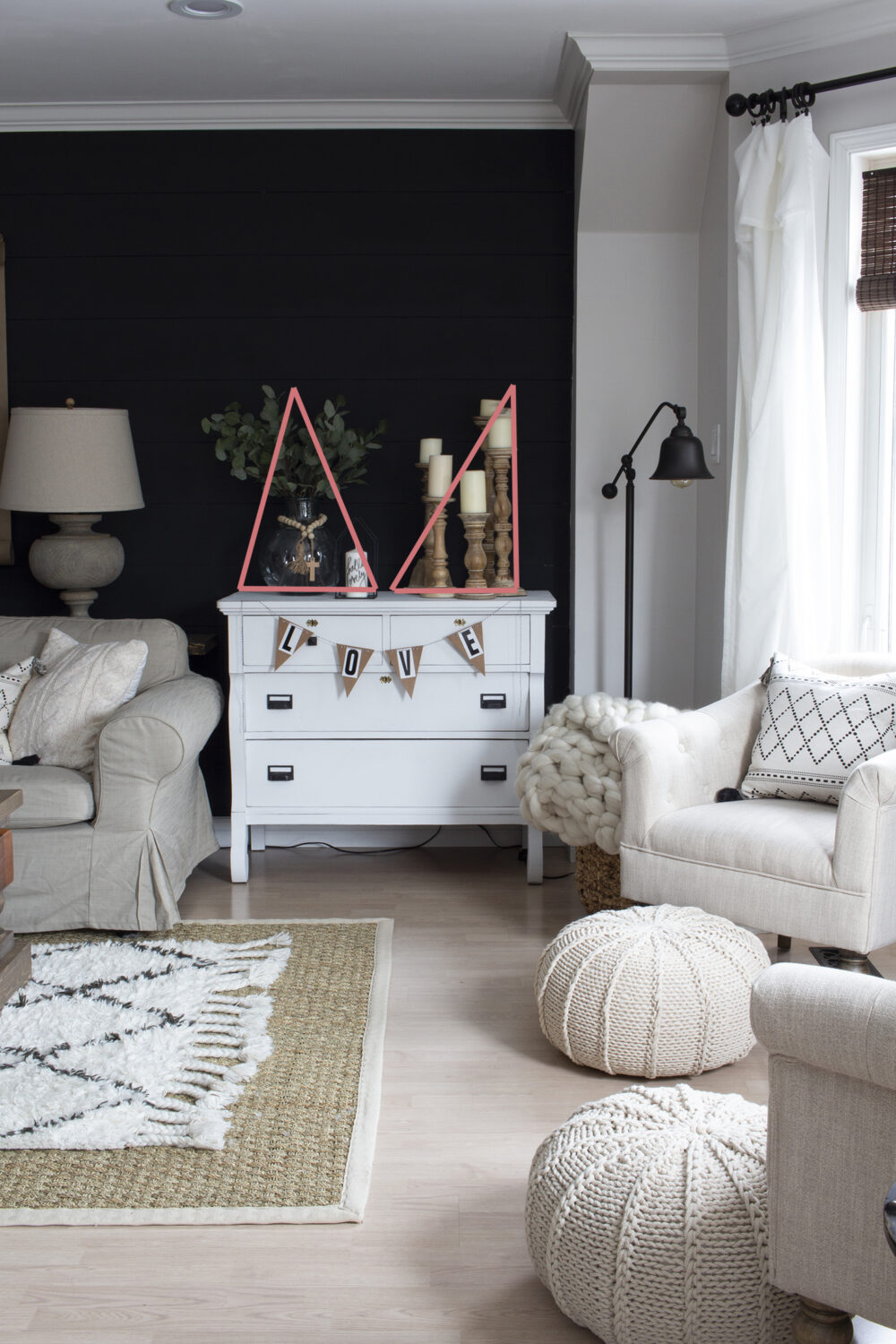
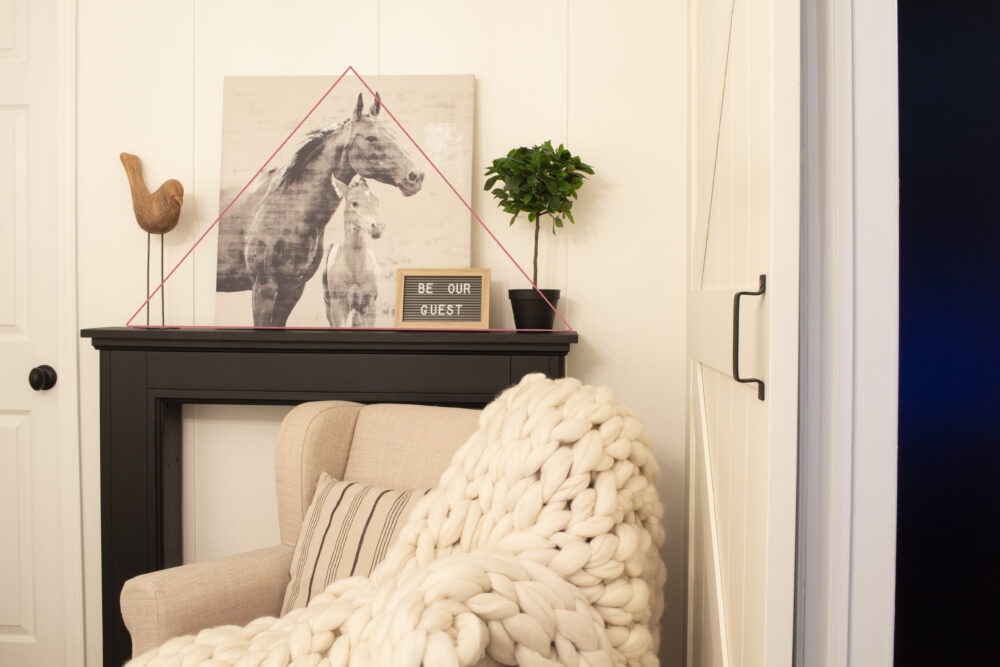
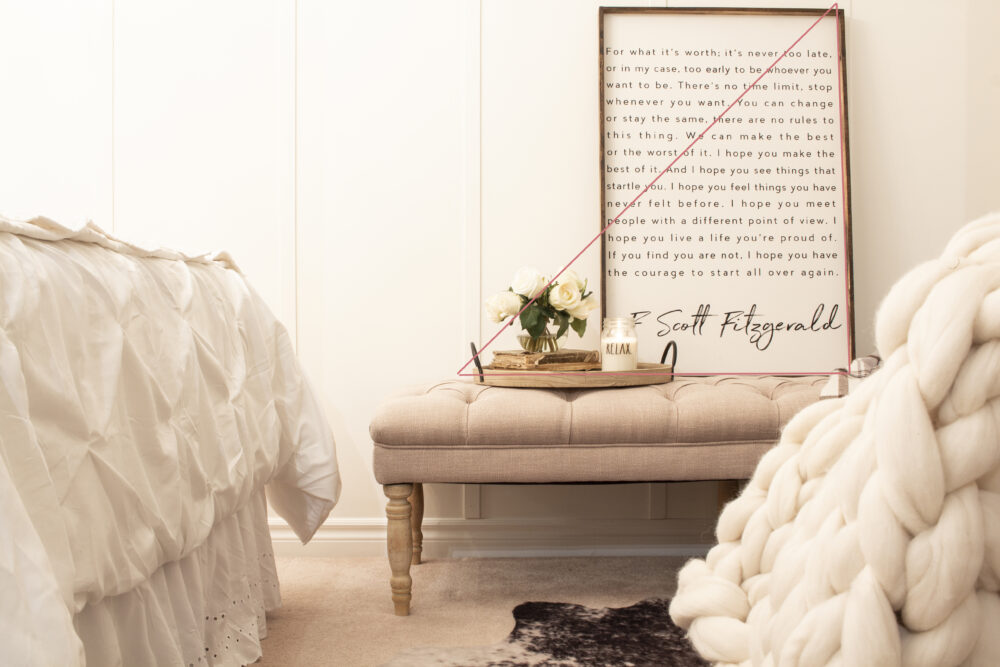
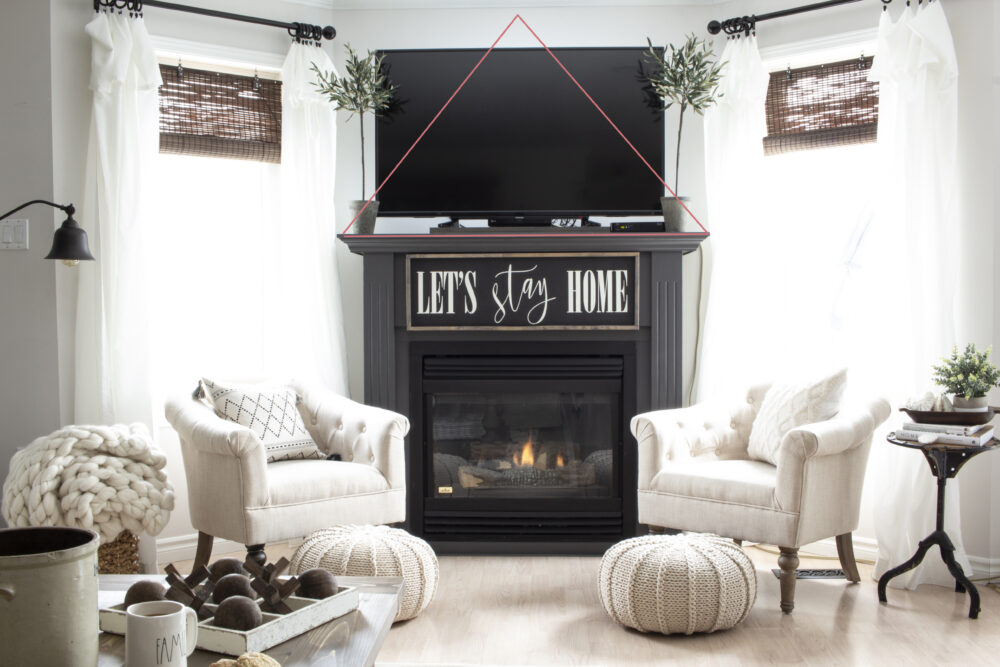
The rule of triangles is a designer’s secret for creating balance and movement in your vignette. When you arrange your items, think about forming a triangle shape with your decor:
- Position the tallest item as the peak of the triangle.
- Place medium and smaller items to form the triangle’s base.
- Ensure the triangle can be “seen” from different angles, especially when viewed from the front.
Example: On a coffee table, you could use a tall vase as the peak, a medium-sized stack of books on one side of the base, and a small candle or bowl on the other. The visual triangle keeps your arrangement balanced and cohesive.

Bonus Tip: Know the Background
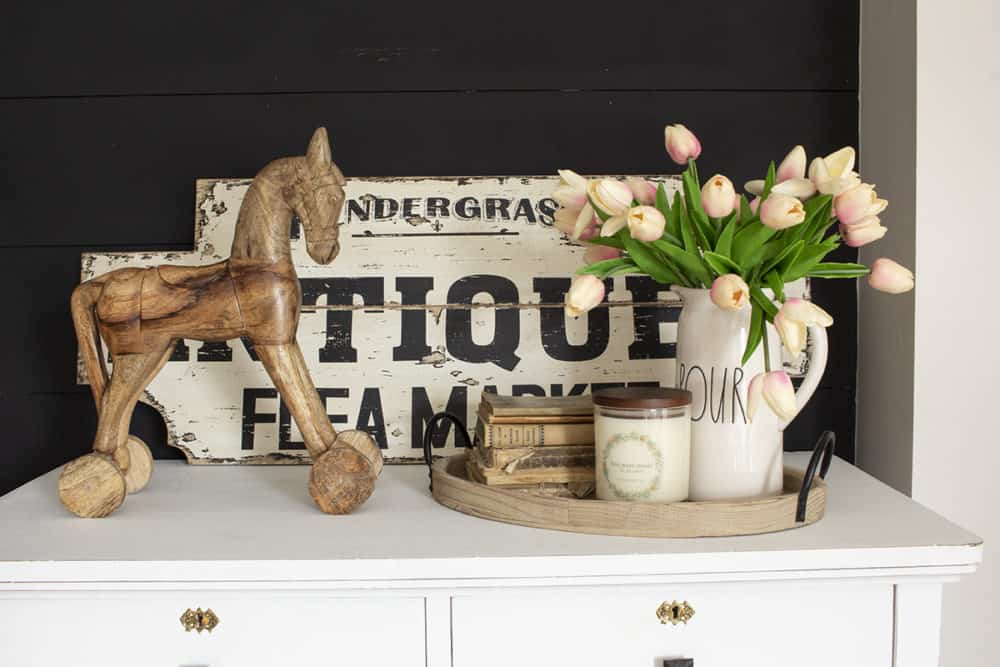
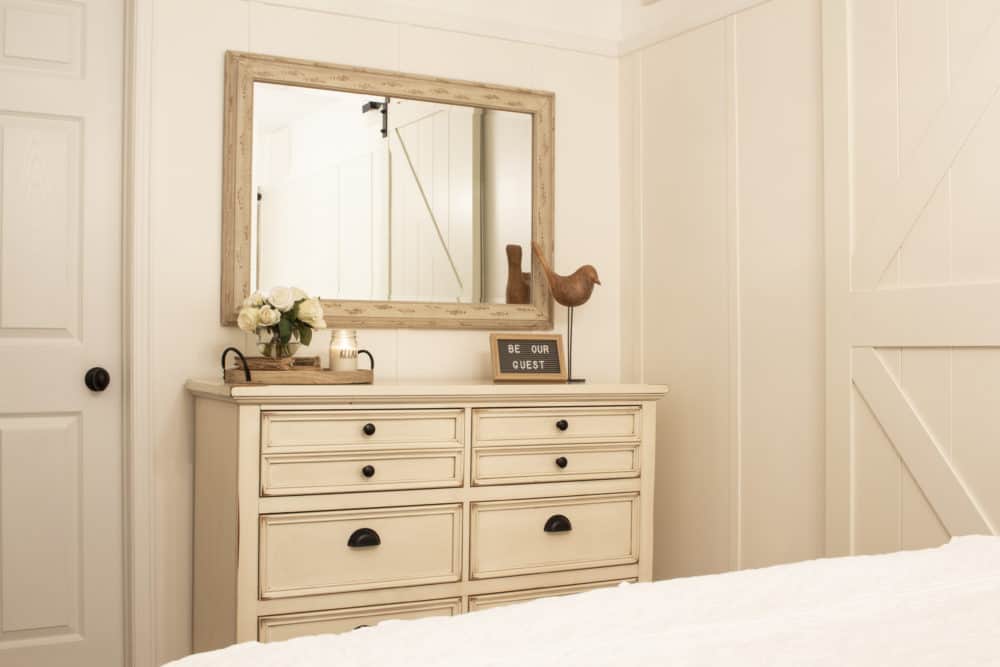
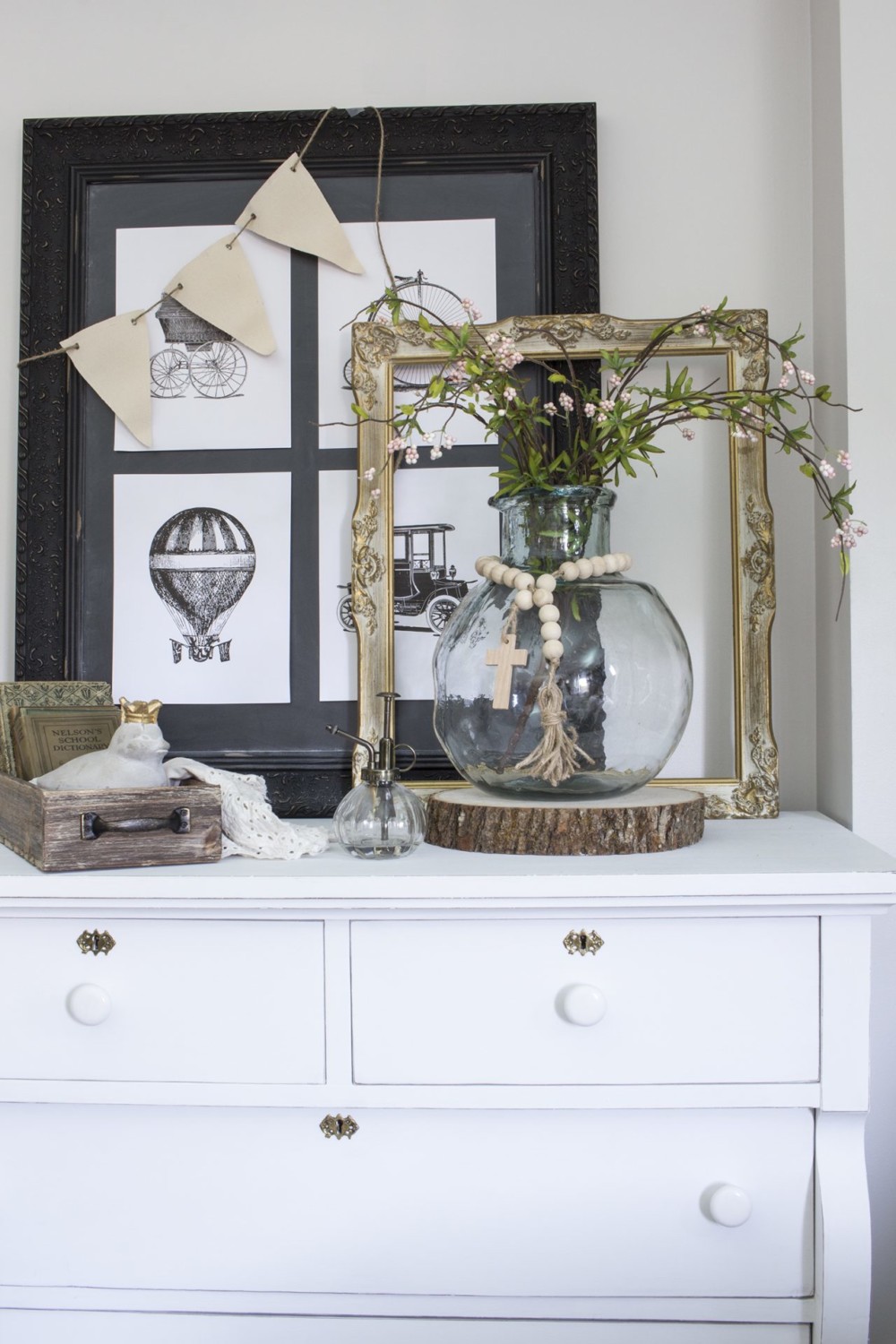
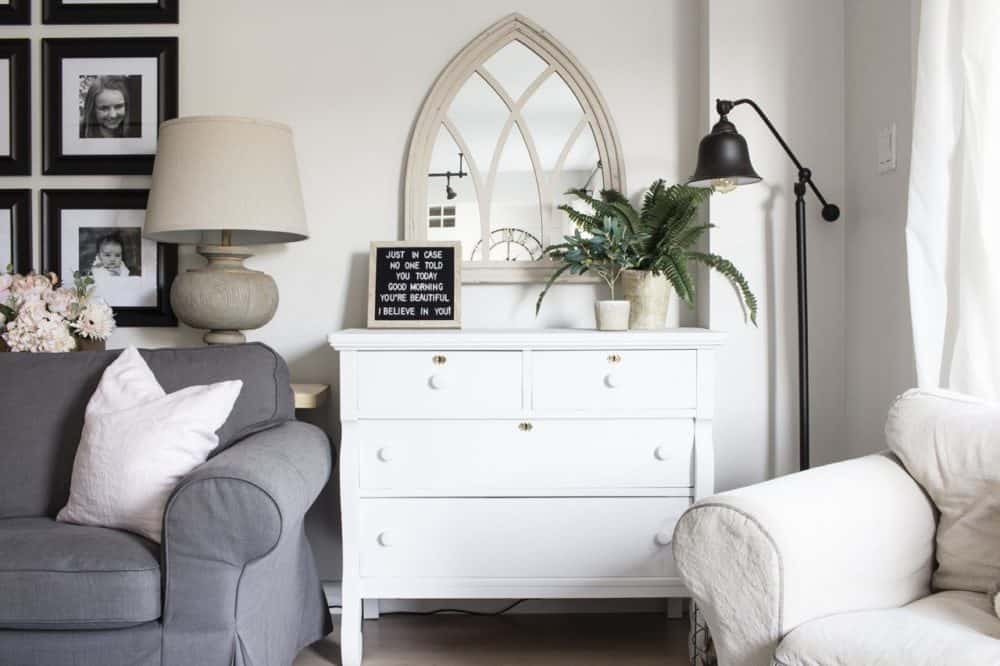
While not essential, the background behind your vignette can enhance its overall look. A neutral or decorative backdrop, such as a mirror, framed art, or photo grid, provides context and helps your vignette feel more cohesive.
Example: On a mantel, a large mirror can reflect light and add depth, while a gallery of framed photos creates a layered, homey feel.








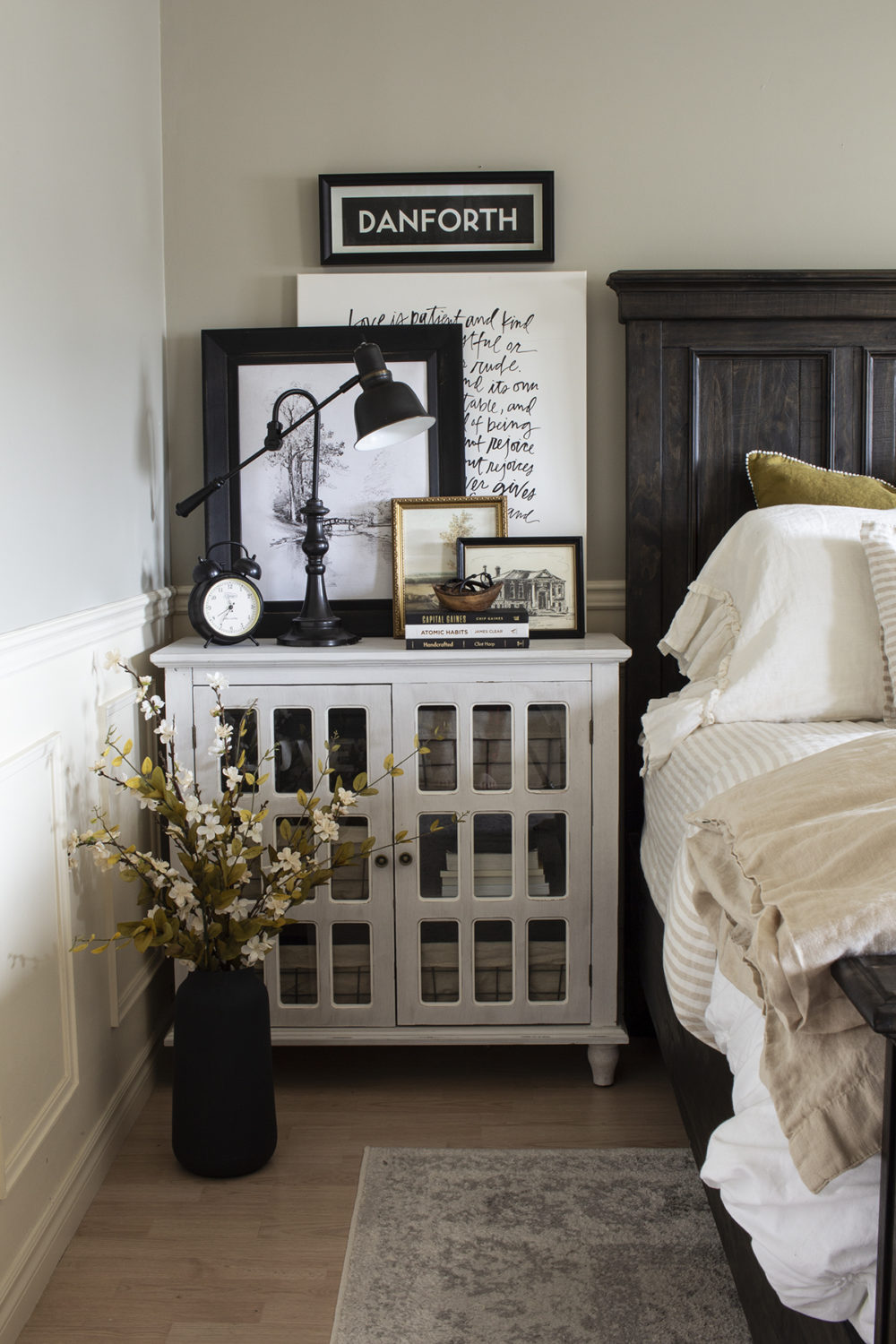
FAQs
A vignette is a small grouping of decor items arranged on a flat surface to create a visually appealing moment. It’s often used on tables, shelves, or mantels to add personality to a room.
Odd numbers work best! Start with three items if you’re a beginner. As you gain confidence, you can add more, but remember to keep the overall look balanced and cohesive.
Think about combining items like lamps, vases, books, candles, small framed photos, or even natural elements like flowers or greenery.
Stick to a consistent color palette or theme, vary your heights, and use an anchor piece to ground the vignette.
Absolutely! Even a tiny corner or shelf can benefit from a vignette. Focus on using fewer, smaller items to keep the arrangement from feeling crowded.
More Decorating Tips
- How to Decorate Your Home in 5 Simple Steps
- Embracing Imperfections in Your Home
- How to Measure for Curtains Like a Pro: A Step-by-Step Guide
- Home Decor Items List for Every Room (+ Free Checklist)
- How to Choose Your Home Color Palette: 3 Tips
- How to Choose Paint Colors
- How to Identify Undertones in Paint and Other Colors
- How to Find Your Decorating Style
- Rearrange Your Furniture: A Free Home Makeover
- 5 Decor Elements Every Room Needs to Be Complete
- How to Make a Moodboard to Plan Your Next Room Makeover

How to Create a Vignette Tutorial
Learn how to create a vignette with 6 simple steps! Style coffee tables, shelves, and mantels beautifully with this easy guide.
Materials
- Anchor piece (e.g., lamp, vase, or sculpture)
- Tray, placemat, or stack of books (for grounding)
- Decorative items of varying heights (e.g., candles, frames, plants)
- Optional: backdrop (e.g., mirror, framed art)
Instructions
- Ground Your Vignette
Start with a base to unify your decor, like a tray or stack of books. - Anchor It
Choose a focal piece, such as a lamp or large vase, to build around. - Use Odd Numbers
Arrange items in odd-numbered groupings for a balanced look. - Vary the Height
Mix tall, medium, and short items for visual interest. - Create Depth
Layer items from back to front instead of aligning them in a straight line. - Use the Rule of Triangles
Arrange items to form a triangle shape for balance and flow. - (Optional) Consider the Background
Enhance your vignette with a complementary backdrop, like a mirror or art piece.
Creating a vignette is like telling a little story through your decor. Whether it’s on your entryway table or a bookshelf, vignettes can bring warmth and personality to your home. Start small, play with odd numbers and height, and don’t forget to have fun experimenting until it feels just right.
Do you love decorating with vignettes, or are they something you’re still trying to figure out? Let me know in the comments—I’d love to hear your thoughts!

Want to see more content like this in your Google searches?
This button tells Google that Home Made Lovely is a source you like, so it can show you more of it.

So pretty! Love it all!
Thanks girls!
So pretty, I will be printing this one out for sure!
Thanks, Norma!
What a pretty addition to your desk! Love the frame with it!
Shannon! I love this. I also love your tips for creating a vignette. xx
Thank you for all of your wonderful tips on creating a vignette! xo
My pleasure, Kristin!
This is so pretty Shannon! I really enjoyed the tips for creating a vignette too –
Thanks, Annie!
Shannon,
I love the tutorial, you have some great ideas! Your printable is so cute!
I love this! And that little pitcher of tulips just makes me smile!
Thank you so much! I have the perfect frame for this 😉
I signed up for your newsletter but still cannot get the printable. Not sure if I am doing something wrong on my end here!
I sent you an email!
The explanation about creating vignettes is very helpful! Could you please explain a little more or point out an example in the picture about creating depth. I need a little more help with that one. Thanks so much!
Hi Renee,
Sure! So, when you’re creating a vignette you want sort of a triangle with the varying heights. You also want to vary the depths or placement of the items so they’re not in a straight line, side by side. Unless you have a very shallow surface like a ledge or small shelf and need to keep them in a row. Does that help?
Wow, love it! Will be putting these ideas to great use.