When it comes to designing a cohesive, inviting home, I know color is pretty close to everything. A carefully chosen color palette creates flow and harmony that makes each space feel like part of a unified whole. But finding the right colors can feel overwhelming. I’ve found that the secret is to stick to a few core colors and use them creatively across different rooms. Here’s my guide to help you pick the perfect colors for your own home palette.

Choosing a color palette may seem tricky, but it doesn’t have to be! Once you have a few core colors in mind, it’s easy to build a palette that feels natural and cohesive. If you’re still unsure where to begin, take a look at my post on how to choose paint colors for some helpful tips and techniques to get you started. Now, let’s dive into creating your own home color palette!
The 5 Colors You Need in Your Home Color Palette
1. A White
Every great color palette begins with a versatile white. White serves as a blank canvas, allowing other colors to shine while providing light and brightness to your spaces. Whether you opt for a crisp, clean white or a softer, warmer shade, this color will help unify your palette.
Tips for Choosing Your White:
- Consider Undertones: Whites can have different undertones—cool, warm, or neutral. Choose a white that complements your existing furnishings and finishes.
- Test Samples: Paint samples on your walls to see how the color changes in different lighting throughout the day.
2. A Neutral
Next, incorporate a neutral color that adds depth and warmth to your palette. Neutrals such as beige, taupe, or gray can ground your design and provide a balance to more vibrant colors. This color can be used on larger surfaces like walls or furniture, creating a backdrop that allows other colors to pop.
Choosing Your Neutral:
- Think About Mood: Different neutrals can evoke different feelings—warm beiges can create a cozy atmosphere, while cooler grays can lend a more modern touch.
- Coordinate with Your White: Ensure your chosen neutral complements the white in your palette for a seamless look.
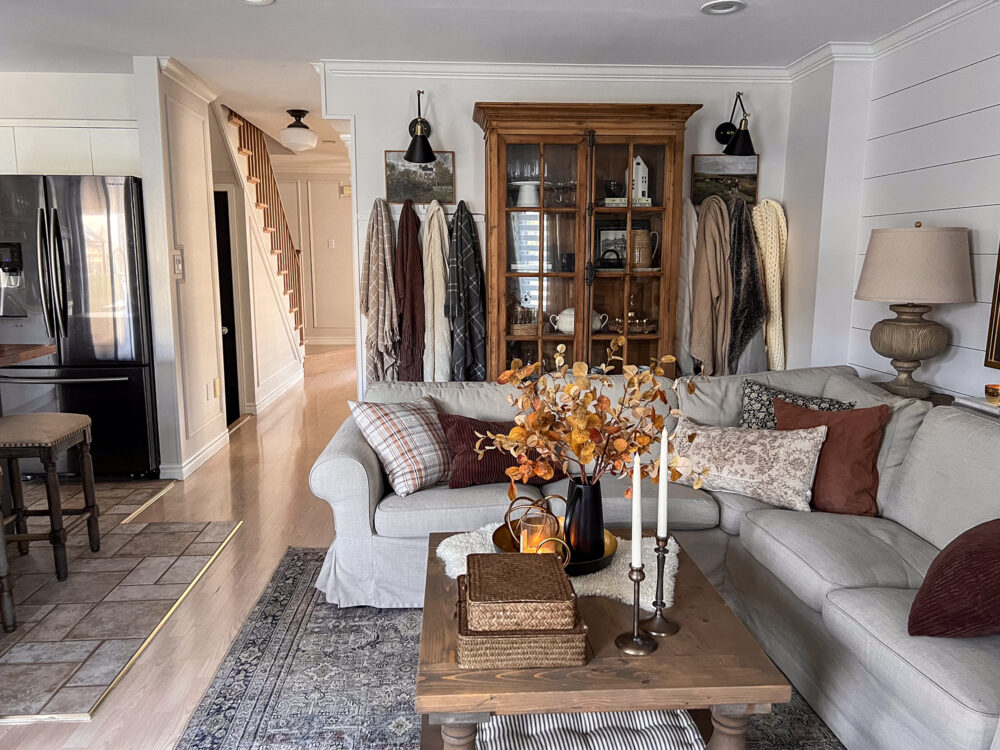
3. One Main Color
Now it’s time to choose your main color—this is the color that will bring personality and character to your home. Whether you prefer bold hues or soft pastels, this color should reflect your style and the mood you want to create.
Tips for Your Main Color:
- Think About Purpose: Consider the function of the room where this color will be applied. For example, calming blues or greens are perfect for bedrooms, while energetic oranges or yellows work well in kitchens and playrooms.
- Consider Different Shades: Your main color can be used in various shades and tones throughout your home, allowing for versatility while maintaining cohesion.
4. A Second Color
Once you’ve established your main color, select a second color to complement it. This color can be used for accents or to create focal points in your space. It should harmonize with your main color while adding depth and variety.
Choosing Your Second Color:
- Contrast and Balance: Consider colors opposite your main color on the color wheel for a striking contrast or choose a color from the same family for a more subtle effect.
- Use in Small Doses: This color can be applied through decorative items, artwork, or accent walls to create visual interest without overwhelming the room.
5. A Third Color
Finally, select a third color to complete your palette. This color can be used sparingly to add pops of interest, whether through accessories, textiles, or artwork. It’s a chance to introduce an unexpected element that can bring your design to life.
Tips for Your Third Color:
- Be Bold: Don’t shy away from using a bold or unexpected color. This could be a vibrant jewel tone or a soft pastel that adds a playful touch to your design.
- Consistency is Key: Use your third color consistently in various rooms through small accents to create a sense of cohesion across your home.
Why a Limited Color Palette?
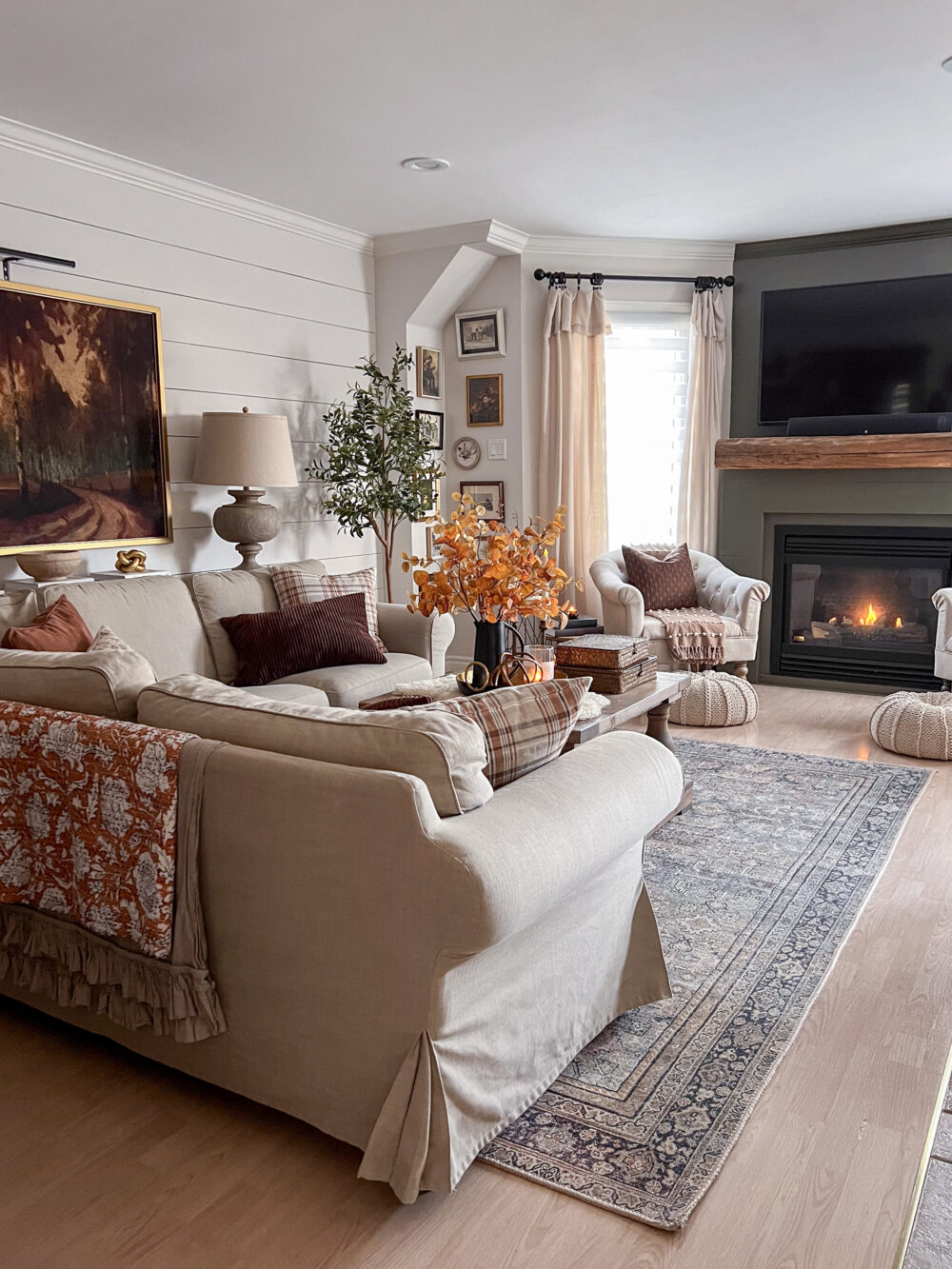
Using a limited color palette doesn’t mean your home has to be dull or monotonous. Instead, it allows for a cohesive design that creates visual interest without overwhelming the senses. By sticking to a few core colors and using them thoughtfully, you can maintain a sense of unity throughout your home, while still showcasing the unique characteristics of each space.
How to Put It All Together
Once you’ve chosen your colors, it’s time to visualize how they will work together. Create a mood board or color swatches to see how your chosen colors interact in different spaces. Remember, the goal is to maintain a cohesive flow throughout your home while allowing each room to have its own unique personality.
Home Color Questions
Look for colors with similar undertones, use a color wheel for guidance, and consider using an inspiration piece to pull colors from.
Use your primary color in more prominent areas, and let secondary and accent colors appear in smaller doses across different rooms to tie everything together.
Opt for neutral base colors and use subtle variations or accent colors to define different areas while keeping an overall cohesive look.
More Ideas for Choosing Colors in Your Home
These blog posts will help you choose colors in your home:
Selecting the individual colors for your home color palette is about finding balance, harmony, and personal expression. By choosing a white, a neutral, one main color, a second color, and a third color, you can create a stunning, cohesive look that reflects your style and makes your home feel inviting.
Have you used these five colors in your color palette? Let me know in the comments below!

Want to see more content like this in your Google searches?
This button tells Google that Home Made Lovely is a source you like, so it can show you more of it.