As moms, homemakers, and busy people in general, I’m pretty sure you and I both know how quickly a kitchen can go from “pristine” to “chaos.” And that can be a little crazy-making.
But here’s the thing…your kitchen can be organized in a way that works for you and your family to help minimize the craziness.
The key is to set up systems that make sense for your needs and then stick to them, even when life gets busy.
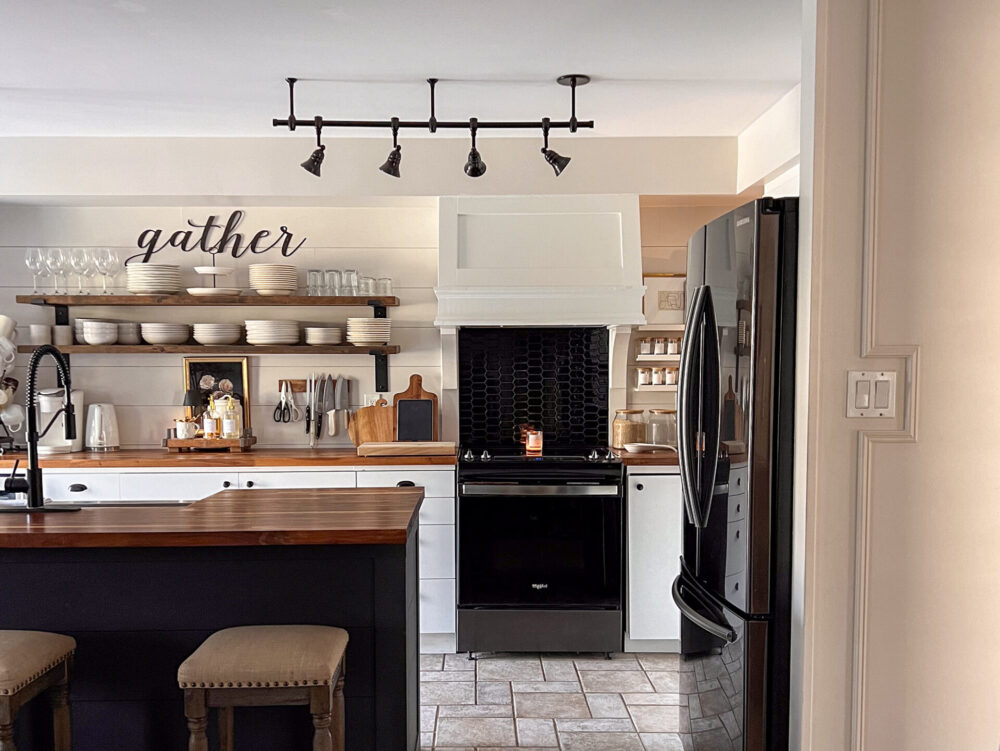
Let’s dive into how to organize your kitchen and make sure it stays organized for the long haul.
How to Organize Your Kitchen
1. Start with a Clean Slate
Before we can get into the nitty-gritty of kitchen organization, you need to declutter. I know, I know…decluttering can sometimes feel like a swear word, but trust me, it’s the first step to organizing your kitchen. It’s hard to know where to start when you’re surrounded by clutter. So, take it one step at a time. Start by getting rid of things you no longer use or love.
You might be surprised by how much easier the organizing process gets once you’ve cleared some space. I’m talking about old gadgets that are collecting dust in your drawers, expired food in your pantry, or mismatched containers. Go ahead, be ruthless.
2. Define Your Kitchen Zones
One of the best ways to organize your kitchen is by creating “zones” based on what you use your kitchen for most. Here’s a simple breakdown:
- Prep Zone: This is where you’ll want your cutting boards, knives, and mixing bowls. It’s all about having everything within reach when you’re getting meals ready.
- Cooking Zone: Your pots, pans, spatulas, and utensils should be stored near your stove or oven. Consider a drawer or container for your most used tools.
- Cleaning Zone: Keep your dish soap, sponges, towels, and trash bags in one spot so that cleaning up after meals is a breeze.
- Storage Zone: This is for pantry items, snacks, and food storage. Group like items together (canned goods, baking supplies, snacks) so you can easily find what you need.
- Serving Zone: Plates, bowls, and serving utensils can be kept in an accessible spot for quick meal time setup.
By defining these zones, you’ll know exactly where to place things, and more importantly, where to find them when you need them.
3. Maximize Storage Space
Kitchen storage is precious. It doesn’t matter if you have a huge kitchen or a tiny one; making the most of your space is key to staying organized. Here are a few tips to maximize storage in your kitchen:
- Utilize Vertical Space: Install shelves or hanging racks for items like pots, pans, and spices. This is especially helpful in small kitchens where counter and drawer space is limited.
- Drawer Organizers: These are lifesavers for keeping utensils, kitchen tools, and gadgets neatly stored and easy to access.
- Use Clear Containers: Transfer dry goods like pasta, flour, and cereal into clear containers. Not only does this keep them fresh, but it also makes it easier to see when you’re running low on something.

4. Label Everything
Yes, you read that right. Labeling isn’t just for your pantry! Labels help you keep track of what you have, what needs to be used up, and where things belong. Whether you’re using simple labels or fancy chalkboard ones, this step will save you a ton of time in the long run.
For example, I love labeling my pantry bins so everyone in the family knows exactly where to find (and put away) the snacks. I also use labels for leftover containers in the fridge so I can easily identify what’s inside without opening every lid.
5. Make It a Family Effort
One of the keys to keeping your kitchen organized after you’ve put in all that hard work is getting the whole family involved. Set up simple systems for everyone to follow, like a designated space for school lunchboxes, a system for putting away dishes, and a family chore schedule for kitchen cleaning.
When everyone knows where things go and has a part to play in keeping it organized, it becomes much easier to maintain. Plus, it takes some of the burden off your shoulders.
6. Keep It Simple
The best part about organizing your kitchen is that it doesn’t have to be complicated. Simple systems, like keeping similar items together, labeling, and regularly decluttering, will make a huge difference in how your kitchen looks and feels.
FAQs
Start small! Focus on one area at a time…like clearing off the counters or organizing a single drawer. Declutter before organizing to make the process easier.
Maximize vertical space with shelves or hanging racks, and use multi-purpose furniture like a kitchen island with hidden storage. Consider under-cabinet solutions and drawer dividers.
Set up daily and weekly routines, like clearing counters after meals, keeping things in their designated spots, and doing a quick declutter session every week.
Maximize vertical space with shelves or hanging racks, and use multi-purpose furniture like a kitchen island with hidden storage. Consider under-cabinet solutions and drawer dividers.
Remember, the goal isn’t perfection here. It’s about creating a kitchen that works for you and your family. One that makes meal prep easier, keeps your space clutter-free, and allows you to enjoy being in it.
So, how do you organize your kitchen? Do you have any tips or tricks that have worked for you? I’d love to hear how you keep your kitchen organized and efficient in the comments below!

Want to see more content like this in your Google searches?
This button tells Google that Home Made Lovely is a source you like, so it can show you more of it.