In this post:
How can you keep your house tidy without cleaning all day?
Keeping your house tidy is easier when everyday belongings have practical homes and you build simple habits for returning them after use. Rather than trying to keep every room perfectly tidy all day, establish a manageable baseline for your home and return one area to that state at natural transition points, such as after meals or before bed. If tidying always takes too long, look for clutter, inconvenient storage or systems that need adjusting.
Have you ever felt like keeping your house tidy is basically a full-time job?
You finish picking everything up in the living room, go into the kitchen, and by the time you come back, someone’s left a blanket on the couch, shoes by the doorway, and a glass on the coffee table.
And you’re thinking, didn’t I just tidy this room?
Here’s something that took me a really long time to learn:
A home that’s actually lived in is going to get messy.
People eat. They get dressed. They go to work and come home. They play, bring things into the house, and move things from room to room.
That’s normal!
The goal isn’t to somehow prevent all of that from happening. The goal is to create a home that makes it easier to return to a manageable state after all that activity.
Because maintaining your home should be a return, not a restart.
And keeping your house tidy shouldn’t mean constantly cleaning up after everyone or adding more housework to your day.
Prefer to Watch?
Want to listen on the go?
Everyday Mess Is Normal. The Messy-House Cycle Doesn’t Have to Be.
Somewhere along the way, I think we’ve gotten this weird idea that if we’re doing a good job keeping house, our homes should always stay tidy.
As though we could put everything away once and no one would ever take anything out again.
But that’s not how homes work.
Think about your kitchen.
You make breakfast. There are dishes, ingredients, crumbs, and maybe a cutting board on the counter.
You put those things away and clean up.
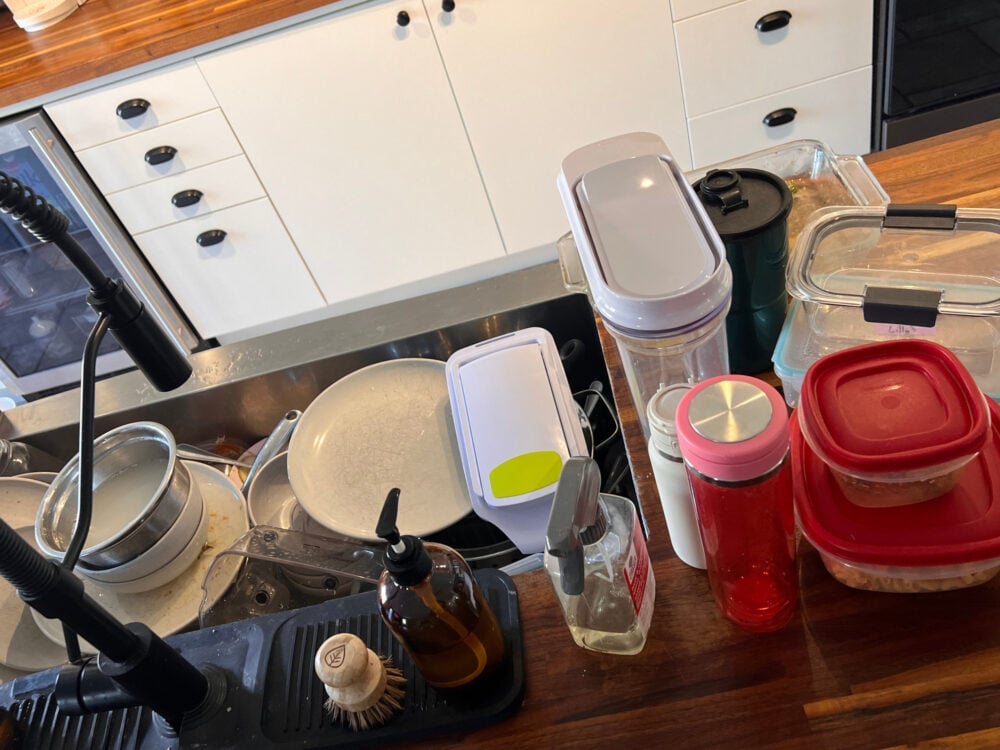
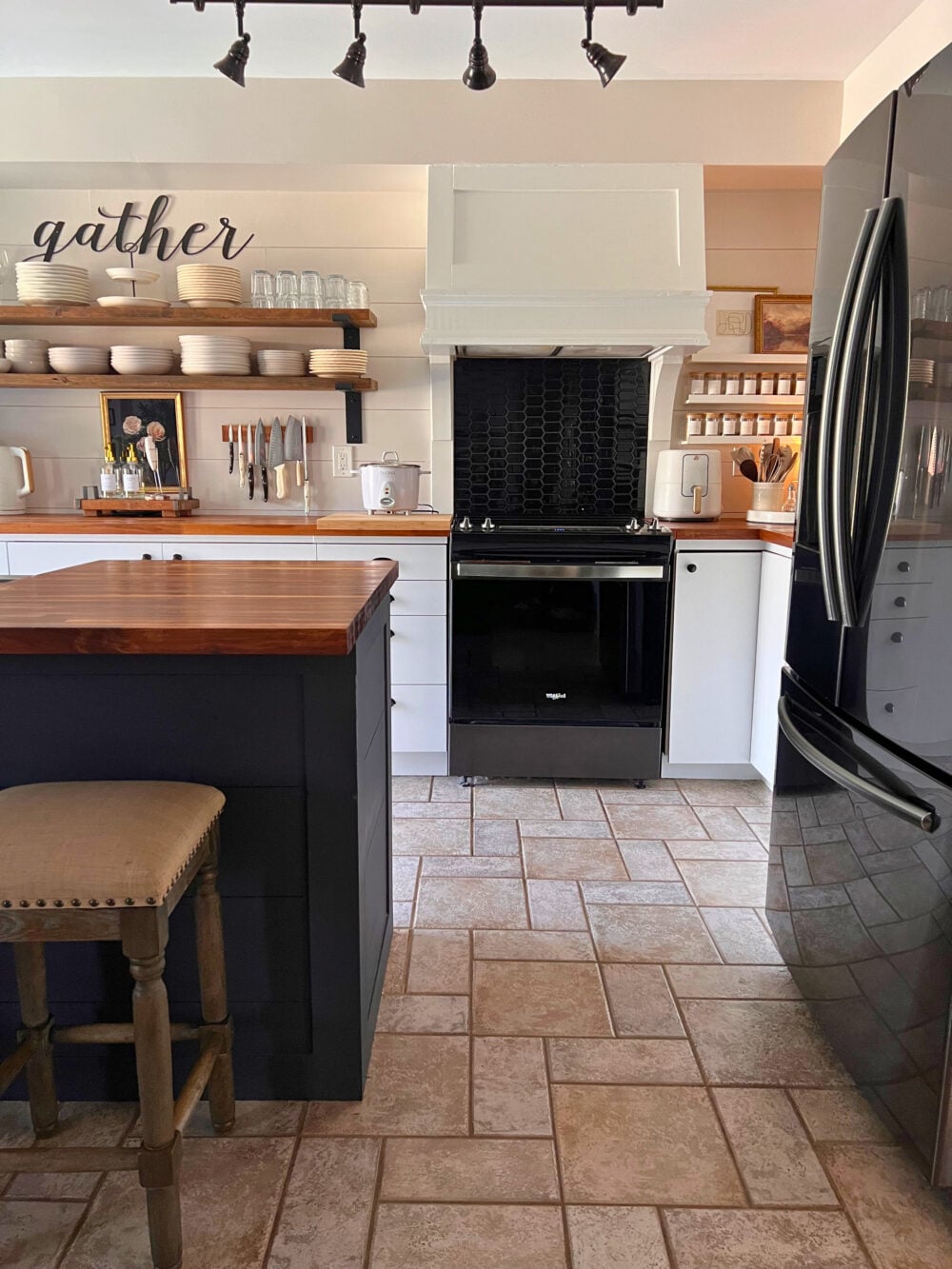
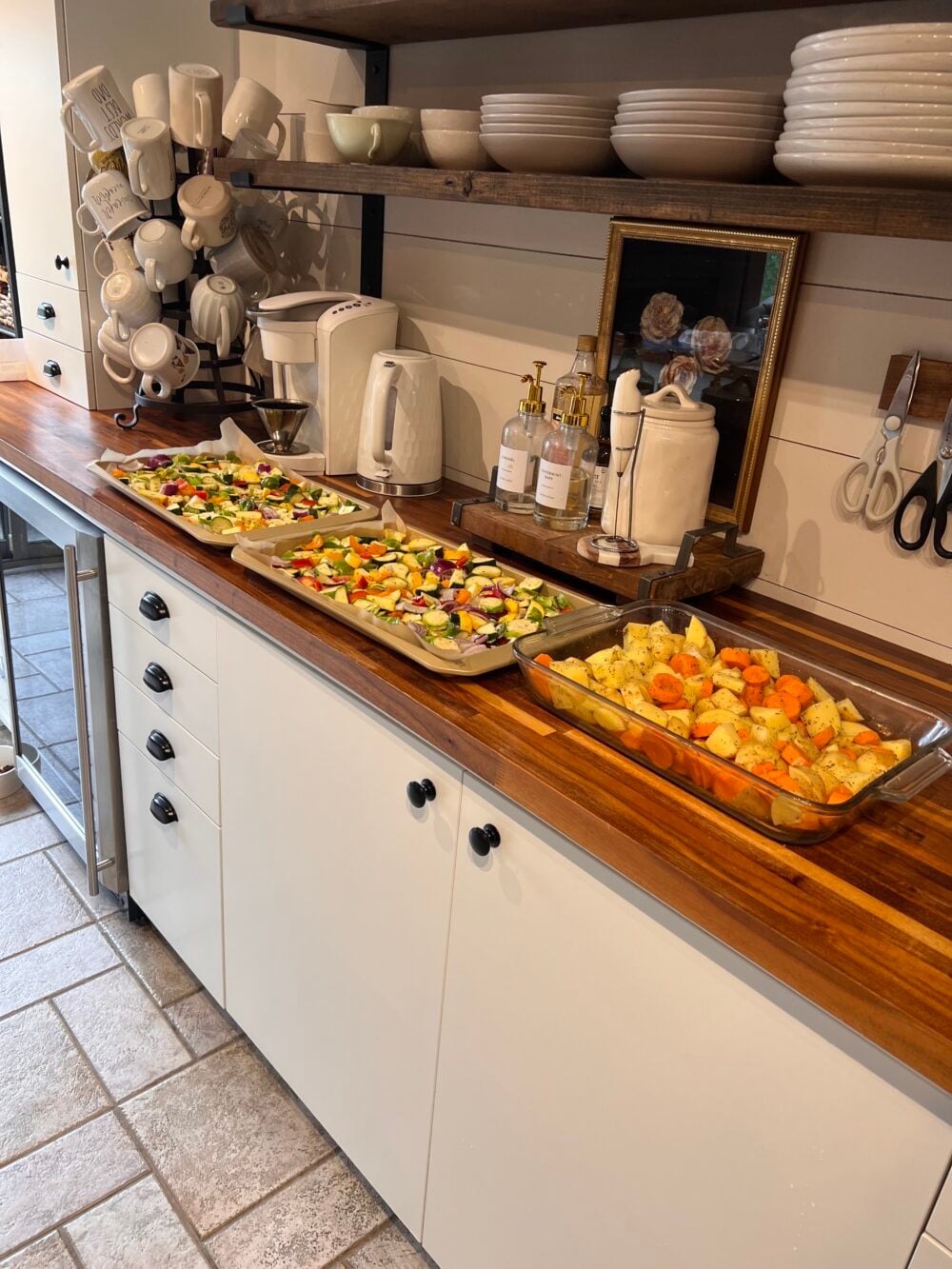
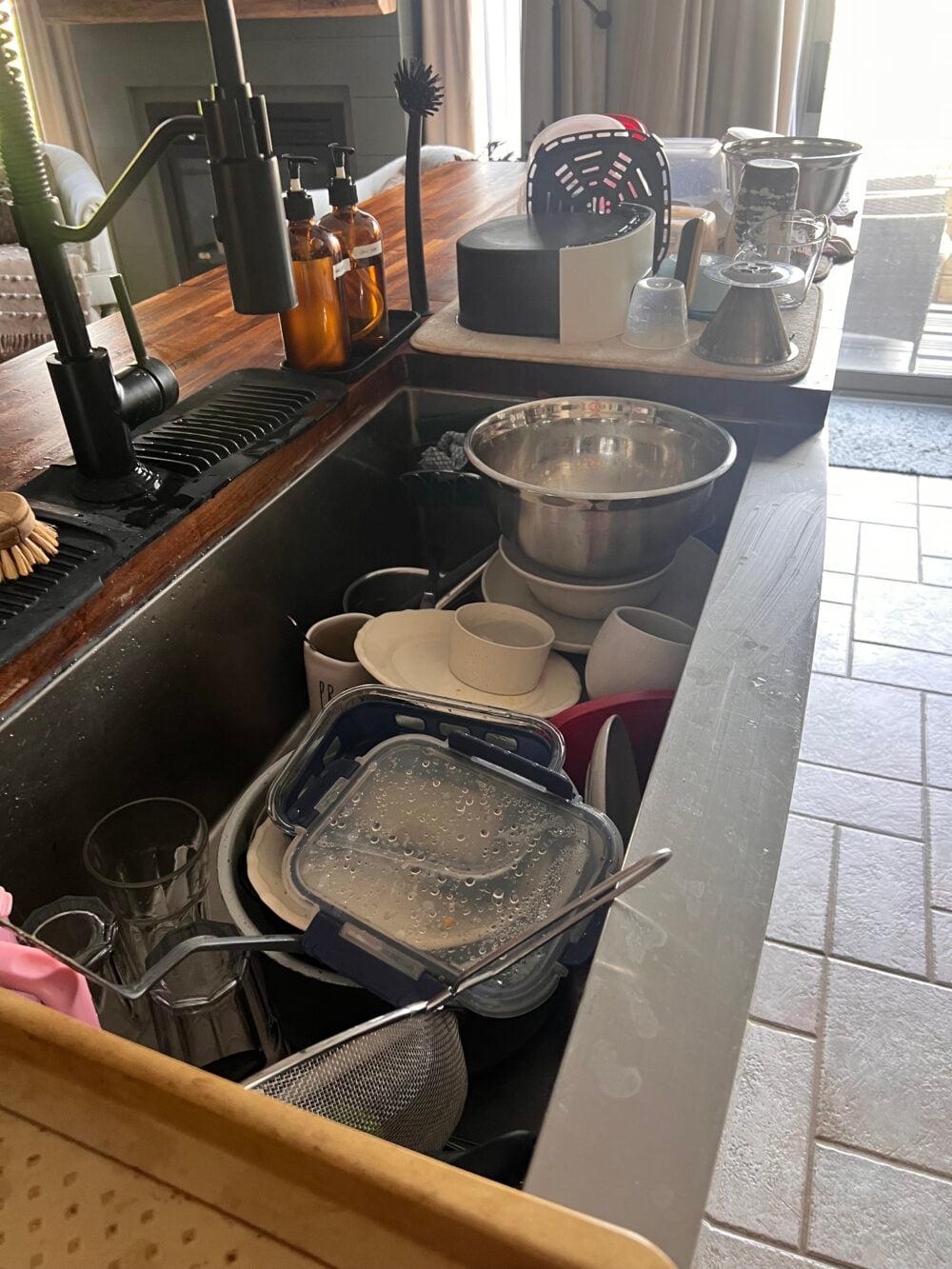
Then somebody makes lunch, and suddenly there’s a mess again.
That’s not your organizing system failing.
That’s just your kitchen being used.
The same thing happens in your living room.
Someone gets out a blanket. Someone has a cup of tea. Someone reads a book.
That’s normal, everyday living.
There’s a difference between a room getting messy because people use it and a room becoming increasingly difficult to manage because things don’t get returned or put away.
The first is normal.
The second is what we want to prevent or fix.
Everyday mess is normal. The messy-house cycle doesn’t have to be.
You Need a Calm, Happy Baseline, Not a Perfect House
One of the things I’ve been talking about a lot lately is having a calm, happy baseline in my home.
That’s what I call the state you want your home to return to after normal everyday living.
It’s not necessarily what your house looks like when company’s coming.
It’s not your house after you’ve spent six hours deep cleaning.
And it’s not the version of your house you’d photograph with everything perfectly styled.
It’s the everyday version of your home that feels manageable.
Maybe that means:
- The kitchen counters are usable.
- The dining room table is clear enough to eat at.
- The living room floor is clear.
- Shoes aren’t blocking the doorway.
- Everyday things are reasonably easy to find.
- You can sit down at the end of the day without feeling surrounded by unfinished projects.
Your baseline doesn’t have to be spotless, magazine-ready, Instagram-worthy, or Pinterest-worthy.
It needs to be functional.
Your Baseline Should Fit Your Season of Life
And this will look different in different homes and during different seasons of life.
A family with toddlers will have a different baseline than a couple living alone or empty nesters.
A home with teenagers or adult kids coming and going will look different again.
You get to decide what looks and feels manageable for your home.
Your baseline isn’t perfection. It’s the level of order that lets your home support your life.
This is something I’ve really had to work on myself.
After being in the online space for the last decade and a half, I got very used to perfectly styled pictures.

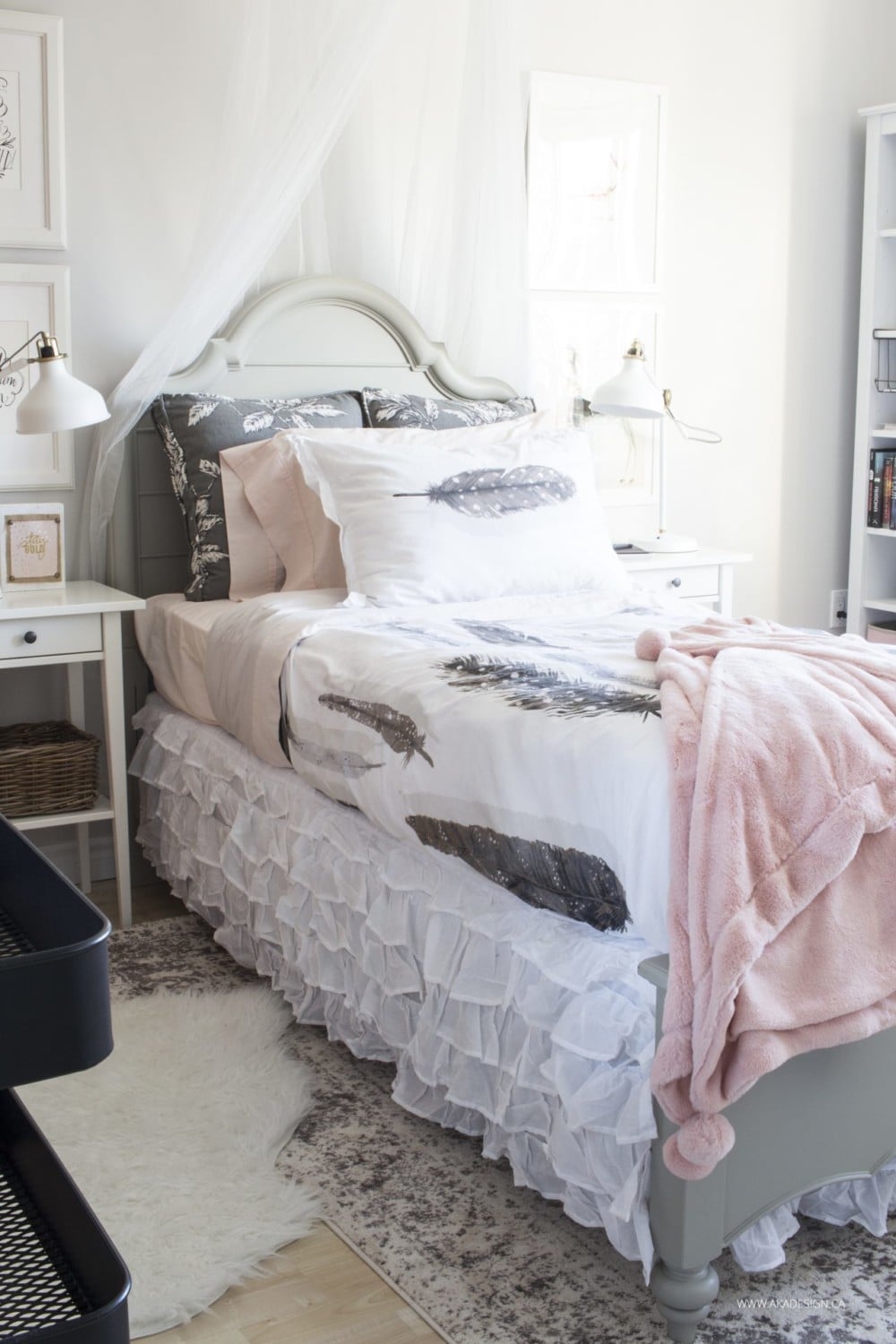
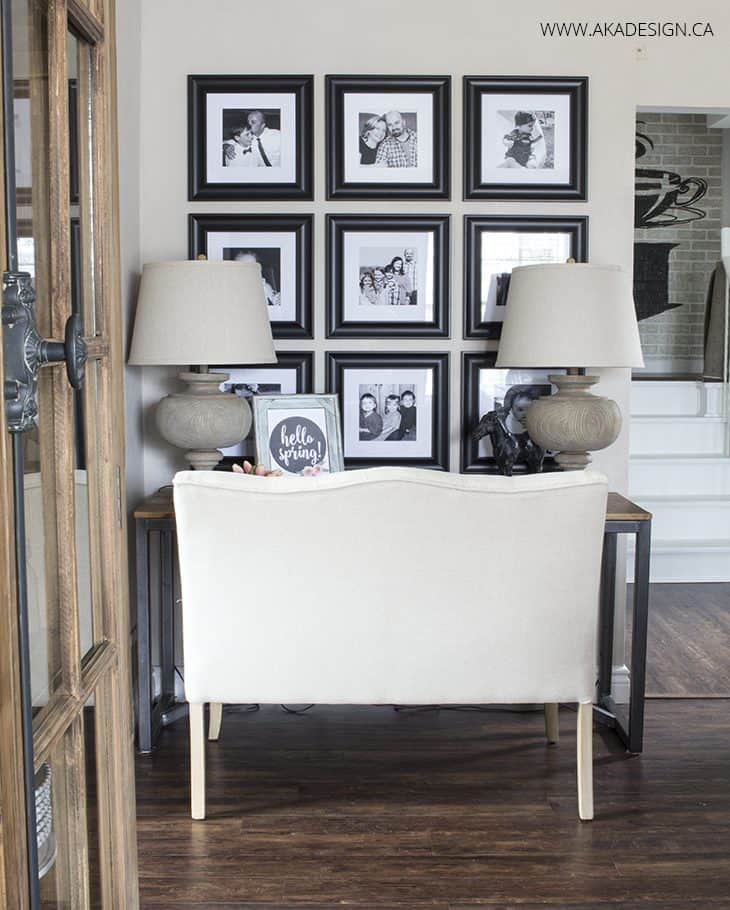
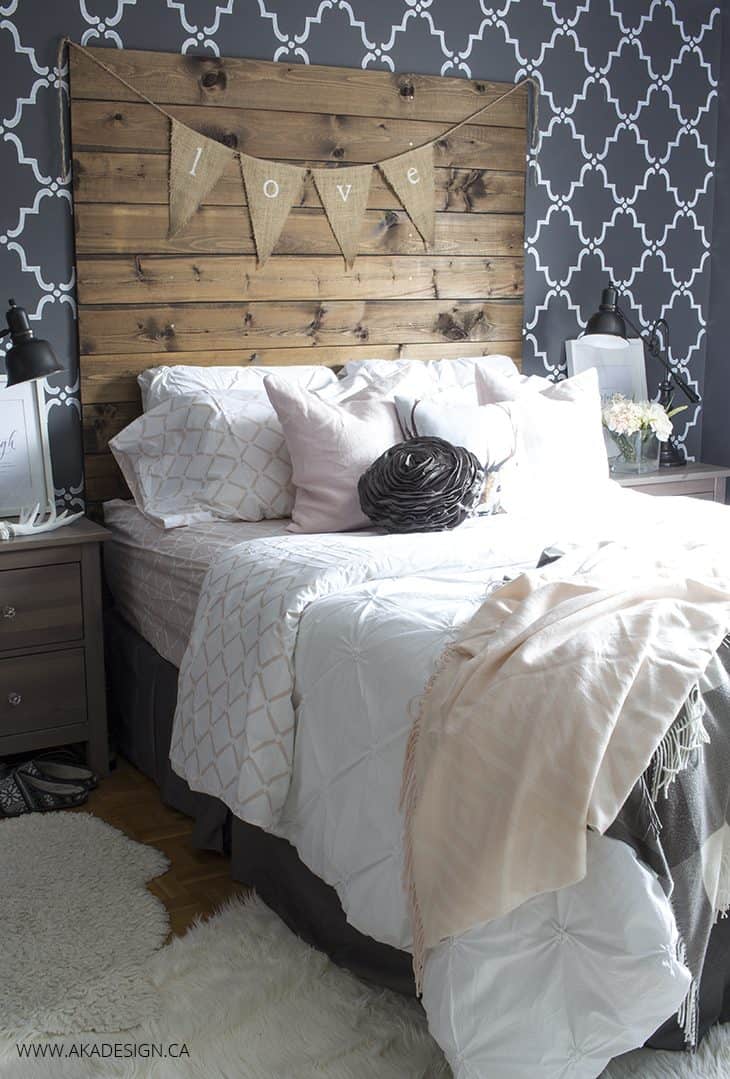
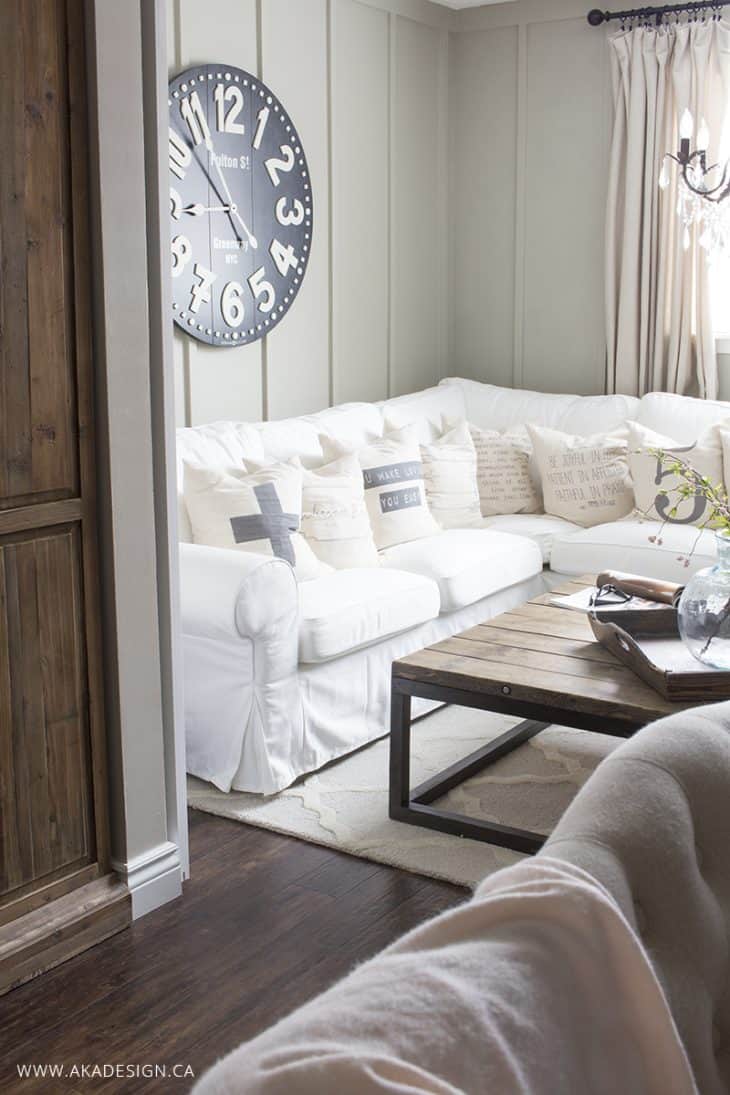
Back in the day, if there was a mess, we shoved it out of the photo frame because that’s what was expected on Instagram, our blogs, Pinterest, and everywhere else.
But I needed to learn that those pictures weren’t actually real life.
And they certainly weren’t what our house should look like all the time.
Especially now, when we have six adults living here on very different schedules.
Our kitchen is always in use.
Literally, even in the middle of the night!
One of our kids works swing shifts and sometimes comes home in the wee hours to make what would be his dinner.
Our home is being used at all hours, and that’s okay.
Your calm, happy baseline needs to suit your life and the season you’re in right now.
Why Your Organizing Systems Matter for Everyday Tidying
If something takes forever or requires a ton of effort to put away, something may need attention.
We’ve talked before about clutter, organization, and habit problems, House Mapping, and what recurring messes can tell you about your home.
All of that matters when it comes to maintaining your home.
Because:
- If you have too much stuff for your available storage, tidying will be difficult.
- If your belongings don’t have practical homes, tidying will be difficult.
- If putting something away requires opening four containers or moving three things, tidying will be difficult.
- And if the system works beautifully but nobody ever returns anything to its home, you’re probably dealing with a missing habit.
You can’t maintain a system that doesn’t actually work.
Imagine you’re trying to tidy your kitchen counter.
You’ve got a pile of mail, a few things that belong in another room, and some everyday kitchen items.
If everything has a practical home and there’s enough room for it, returning those things shouldn’t be an enormous project.
But if you have to reorganize an entire drawer or shuffle things around just to put one thing away, that’s not really tidying anymore.
You’re having to solve an organization problem.
If every tidy-up turns into an organizing project, the problem probably isn’t your tidying routine.
This is why I don’t want you solving every messy-house problem by making yet another checklist or following another one you found online.
Sometimes the solution is to change the system, not ask yourself or your family to work harder.
Make Putting Things Away Easier
We talked previously about friction, those little inconveniences that make things harder to put away.
Now let’s turn that around.
How can you make the things you do every day easier?
Maybe that means:
- A basket where blankets can be tossed instead of folded perfectly.
- Hooks where coats are actually taken off.
- A practical place for shoes near the door everyone uses.
- A tray for everyday items that collect on a particular surface.
- Enough room in drawers that things can be returned without rearranging everything inside.

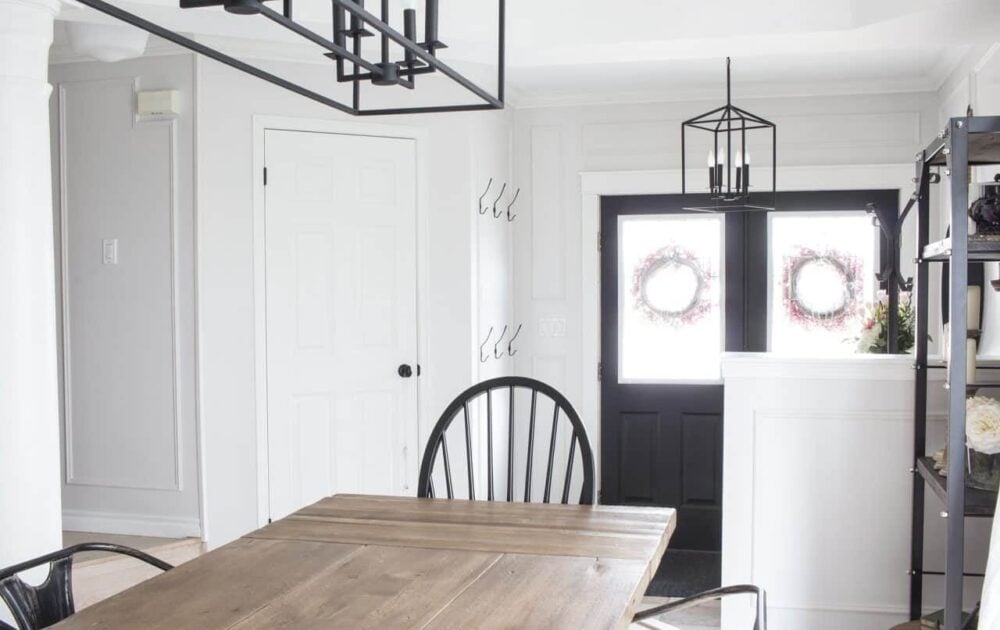
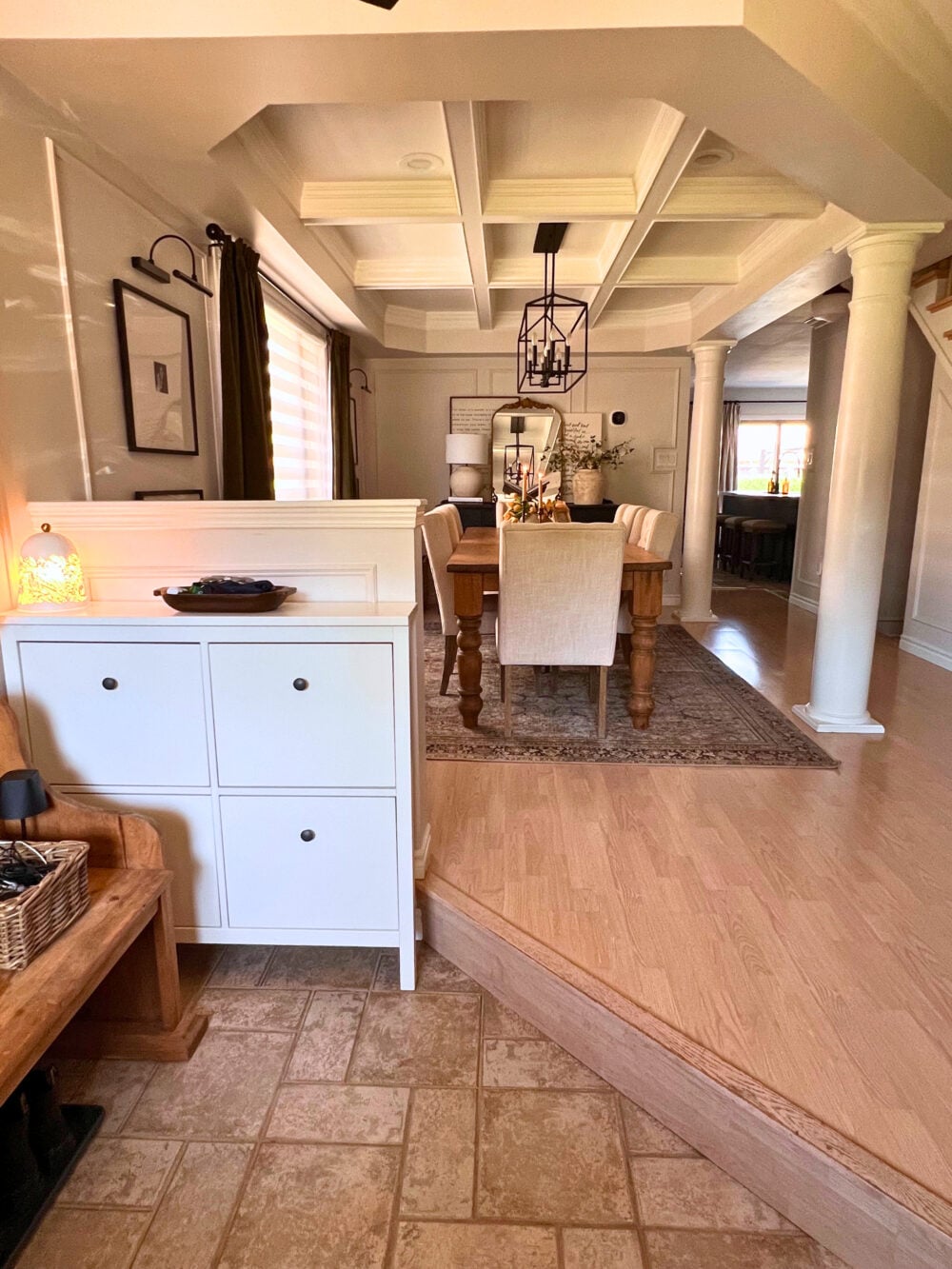

I want to stress that not every pile needs a basket or a tray.
Sometimes the problem is simply too much stuff.
Sometimes the items belong somewhere else entirely.
But if an item needs to stay and it makes sense to keep it nearby, the storage should make putting it away easy.
The easier it is to return something, the less effort it takes to maintain your home.
A Real-Life Example: The Devotional Books on Our Dining Table
Here’s an example from my own house.
A couple of our kiddos like to do their devotions and journaling at the dining room table.
It’s nice and bright, and it’s close to the coffee in the kitchen.
But the problem was that they kept leaving their books, journals, and devotionals on the dining room table every single day.
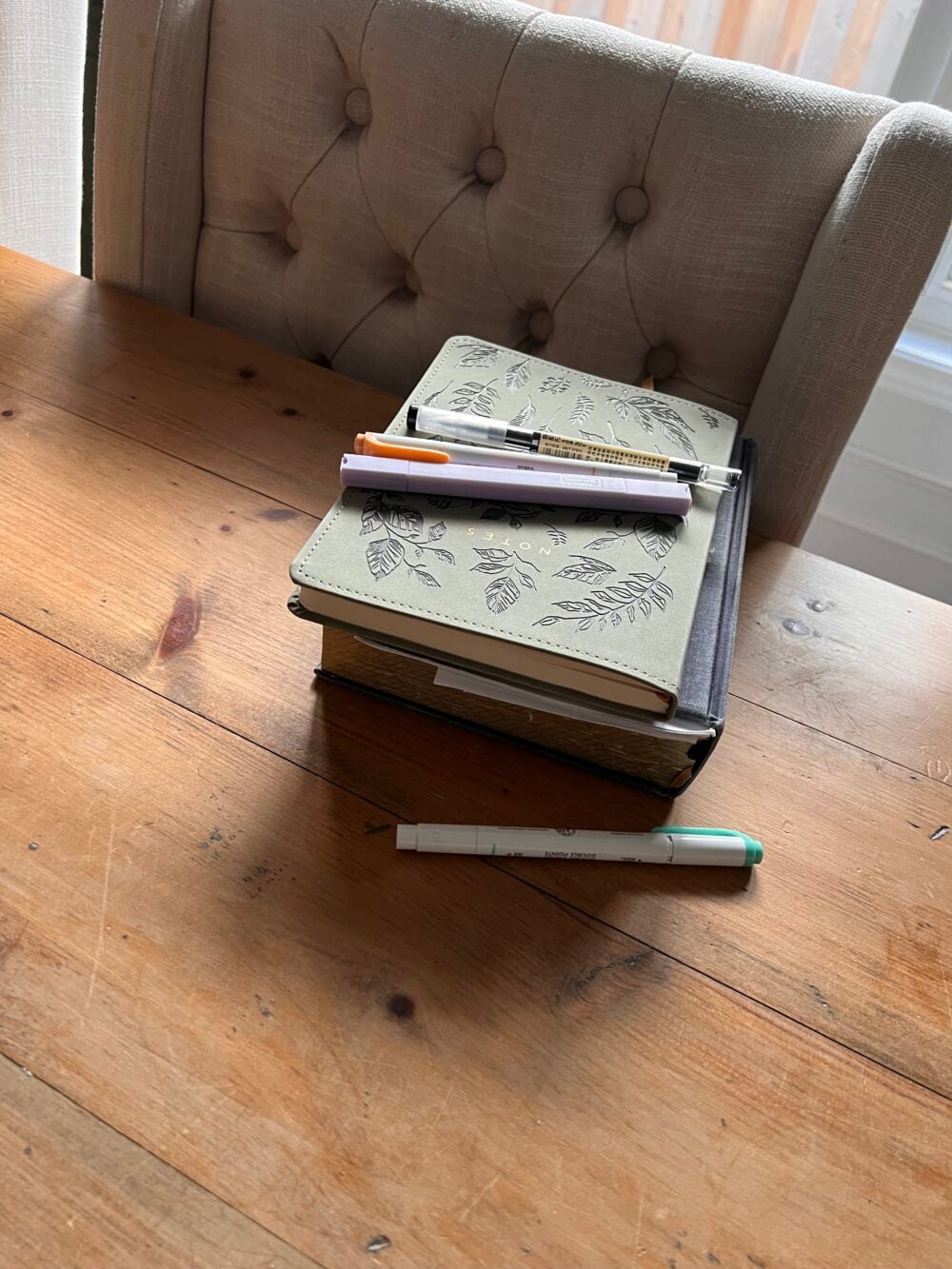
Or they’d try to tuck them out of the way on the buffet beside the table.
Which still wasn’t where they needed to go.
I realized that asking them to take everything back to their bedrooms every day, or putting the books on the stairs so they could be taken upstairs later, was kind of a waste of time and effort.
And nagging them wasn’t exactly helping our relationships either. 😂
So we went out and grabbed a little $30 IKEA rolling cart.
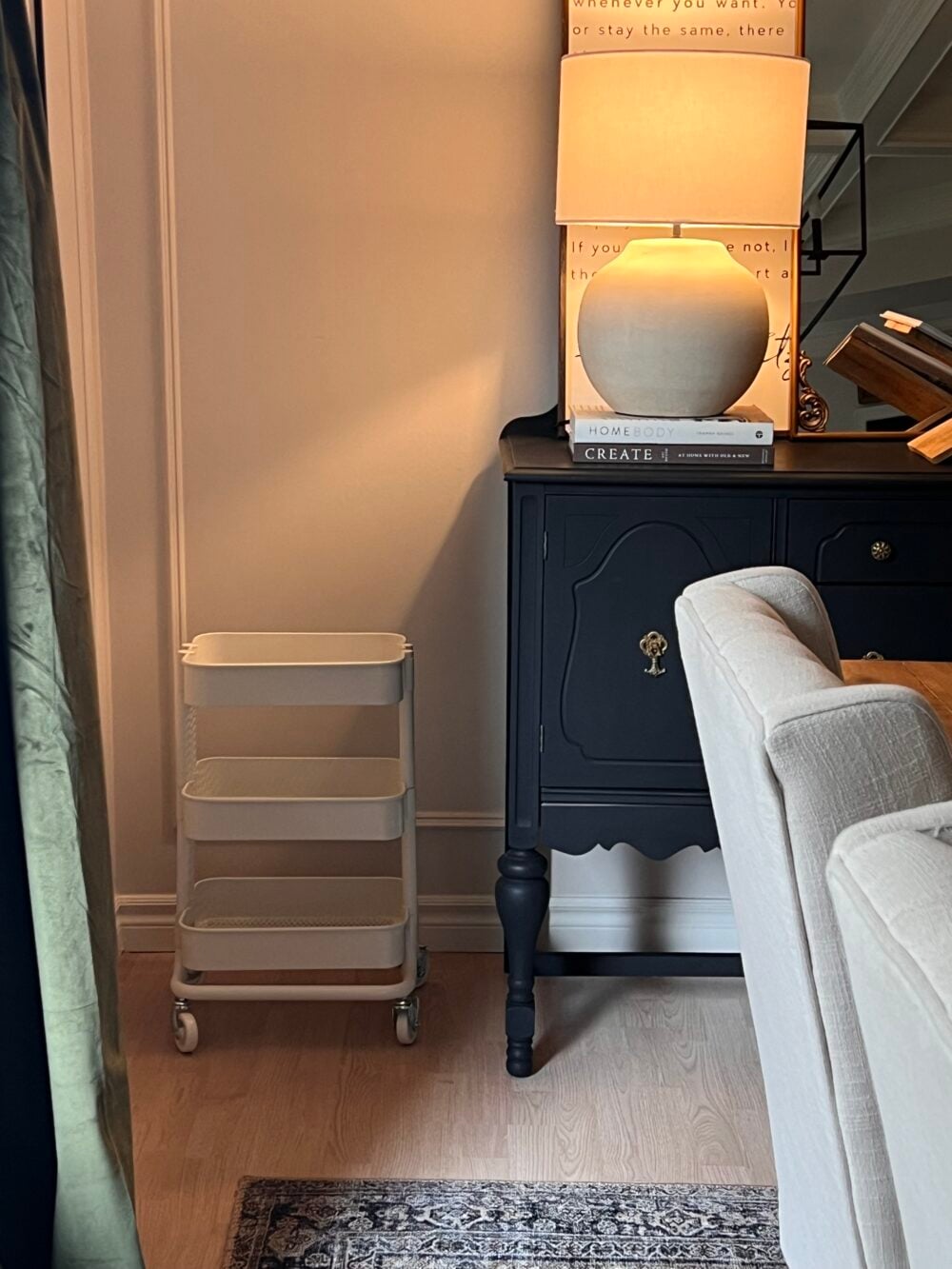
It’s a tiny one. I think it might actually be made for kids!
But it tucks unobtrusively into the corner beside our dining room buffet.
Now they have somewhere to keep their books that’s still close to where they actually use them.
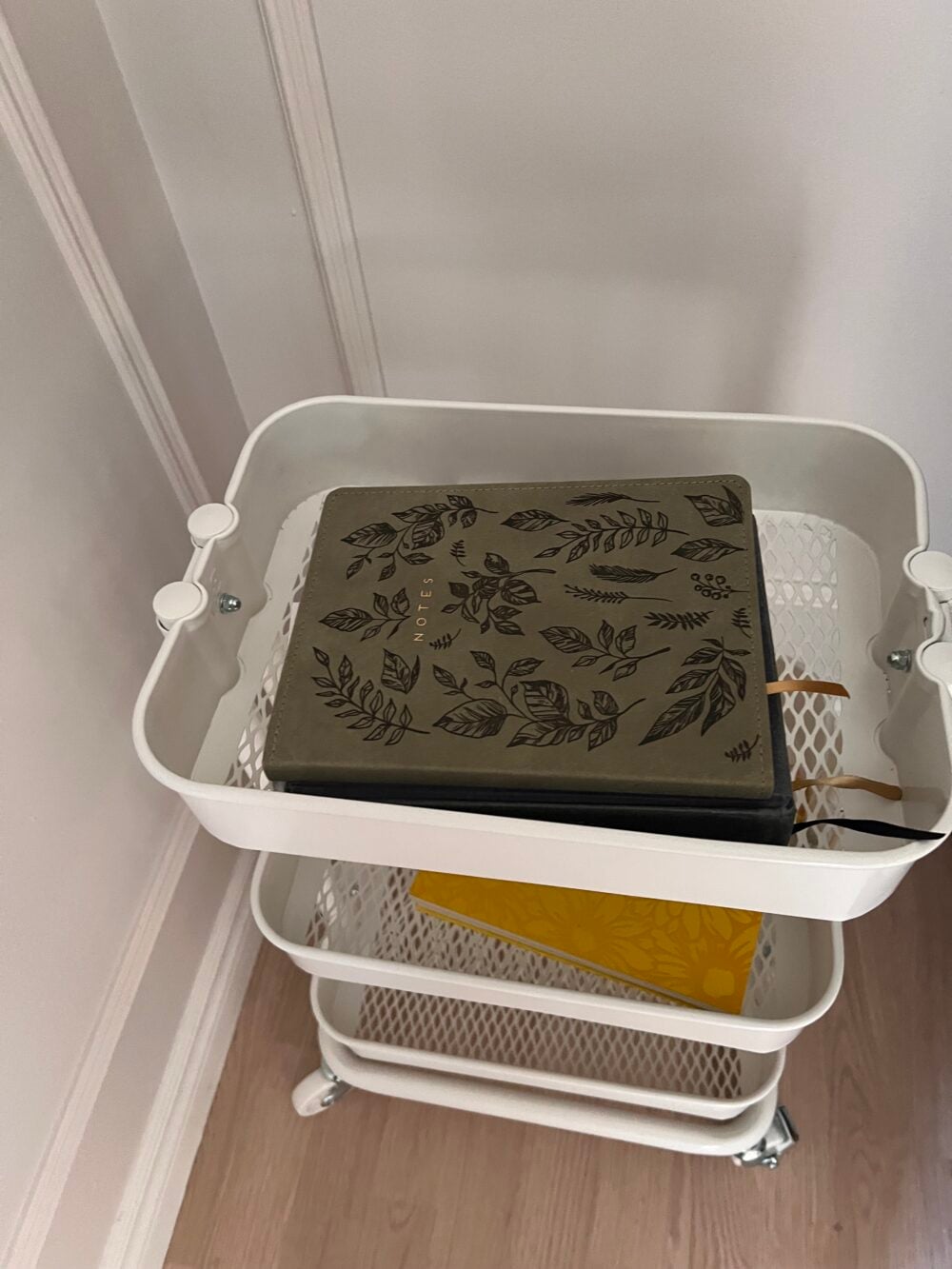
They can grab what they need, use it at the table, and put it back without having to go upstairs.
And the books are no longer taking over the dining room table or buffet.
That’s House Mapping in action.
Instead of repeatedly fighting the same pile, we created a practical home for those belongings based on how our family actually uses the space.
Sometimes a small change like that can make maintaining a room so much easier.
Stop Treating Tidying Like One Giant Project
Sometimes we picture tidying as this enormous thing we have to do.
The whole house needs to be picked up.
Everything needs to go back where it belongs.
We need an hour. Maybe two.
So we put it off.
Because who has time for that?
But what if we stopped thinking of tidying as one ginormous project?
What if we thought of it as returning one area to its calm, happy baseline?
Not the entire house.
One area.
The kitchen after dinner.
The living room before bed.
The entryway after everyone gets home.
And here’s the difference:
We’re not trying to make everything perfect.
We’re just returning the things that were used to their homes.
That’s a much smaller job.
You shouldn’t have to start from scratch every time you tidy your home.
And if you do feel like you’re starting from scratch every single time, that’s useful information.
Maybe there’s too much stuff.
Maybe the homes you’ve chosen aren’t working.
Maybe the space isn’t being returned to its baseline often enough.
Or maybe the routine needs to be simpler.
If your whole house feels overwhelming, remember that you can make the problem smaller instead of treating your entire house as one giant project.
Build Simple Tidying Habits Into Your Existing Routines
This is where habits come in.
But I don’t want you following everybody around and picking up after them.
That’s not the goal.
And I don’t want you to feel like you need to stop whatever you’re doing every ten minutes to tidy something.
Instead, look for natural moments when an activity is finished.
For example:
- After breakfast: Return breakfast items to their homes.
- After getting dressed: Put clothes away or into the laundry.
- After coming home: Return shoes, bags, keys, and coats to their places.
- After an activity: Put away the supplies you were using.
- At the end of the evening: Return the living room or main living areas to their baseline.
Notice that these things are connected to something you’re already doing out of habit or routine.
You’re not inventing six new organizing projects every day.
You’re simply finishing the activity, or closing the loop, by returning the things that were used.
Putting things away is part of finishing what you were doing.
Maintaining Your Home Should Be a Shared Responsibility
And these habits should be shared wherever possible.
If everyone shares a space in a house, maintaining it shouldn’t automatically fall on one person.
You can make the system easy to use, but other people still need to participate in returning things.
This isn’t about making one person more efficient at cleaning up after everyone else.
It’s about making the home easier for everyone to maintain.
Don’t Let Tidying Turn Into Another Organizing Project
This is a sneaky one.
You decide you’re going to spend ten minutes tidying the living room.
You pick up something that belongs in a drawer.
You open the drawer.
The drawer is a mess.
So you start reorganizing the drawer.
Then you realize you need to sort everything in the drawer.
And now it’s been 45 minutes.
The living room still isn’t tidy, and you have a bigger mess than when you started.
Sound familiar? 😂
Here’s the distinction:
Maintenance (aka tidying up) is returning things to the systems you already have.
Improvement is changing or creating those systems.
Both are important.
But they don’t have to happen at the same time.
If you notice something isn’t working while you’re tidying, make a note of it.
Maybe that’s an area to RESET later.
But unless it’s a tiny adjustment you can make right then, don’t let it hijack the tidying job you started.
A daily tidy-up shouldn’t turn into a surprise decluttering project.
This is especially important when you’re busy, tired, or overwhelmed.
Finish the small thing you intended to do.
Then decide whether something else deserves your attention.
The Difference Between Returning and Rescuing Your Home
Let’s compare two situations.
In the first home, things get used all week.
They accumulate on counters, tabletops, chairs, and floors.
Nothing really gets returned or put away.
By the weekend, the whole house feels overwhelming.
So someone spends Saturday or Sunday trying to get everything back under control.
Then the cycle starts again.
In the second home, things still get used.
There are dishes, shoes, blankets, books, and everyday messes just like the first house.
But there’s a practical place for most things to go.
And there are simple habits for returning them to those places.
So the house still gets messy during the day, but it doesn’t get quite as far away from its baseline.
And getting it back doesn’t require a giant rescue mission.
That’s what we’re aiming for.
Not a house where nothing ever gets out of place.
A house where everyday life doesn’t automatically lead to overwhelm.
The goal isn’t to keep your house tidy every minute. It’s to make getting it tidy again easier.
Try This: Create a Simple Return Habit for One Space
I don’t want you to leave this article thinking you need to create a whole new daily routine.
That’s a whole project!
Instead, pick one space that gets used regularly.
Maybe your kitchen, your living room, or your entryway.
Then ask yourself these five questions:
1. What Does This Space Look Like at Its Manageable Baseline?
Not perfect.
Just functional and comfortable.
What does this room need to look like to work well for the people who use it?
2. What Gets Used Here Every Day?
Pay attention to the things that naturally come out during everyday life in this space.
3. Do Those Things Have Practical Homes?
If not, that might be the first problem to solve.
You can’t build a habit of returning something if there’s nowhere practical to return it.
4. What’s One Natural Transition When Those Things Could Be Returned?
After dinner?
Before bed?
When everyone gets home?
Look for a moment that’s already part of your day.
5. Can Everyone Who Uses the Space Participate?
The goal is to create a return habit that fits your household, not a routine that requires one person to do everything.
And if it doesn’t work perfectly the first time?
You already know what to do.
Experience it. Tweak it. Don’t start over.
Your Home Is Allowed to Be Lived In
If you’re tired of feeling like keeping your house under control is another full-time job, that’s exactly what we’re working toward inside the Home Made Lovely RESET Club.
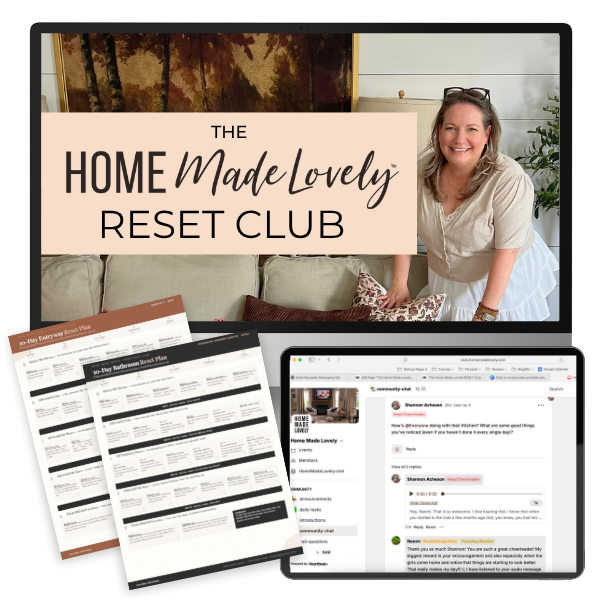
We don’t just declutter a room, organize it, and hope everything stays that way.
We use the RESET Method to create a home that’s easier to live in.
We address the clutter.
We choose practical homes for our belongings.
We experience how those systems work in real life.
We tweak what isn’t working.
And we build simple habits that help our homes return to a calm, happy baseline without constantly starting over.
Inside the Club, we work through manageable areas of our homes, one room at a time, with daily steps designed to fit real life.
And here’s what I want you to remember.
Your home is allowed to be lived in.
It’s supposed to be lived in!
The blankets can come out.
The shoes can be worn.
The kitchen can get messy while you’re making dinner.
That’s what your home is for.
You don’t need to prevent everyday mess.
You need systems and habits that make putting the day away easier.
Because maintaining your home should be a return, not a restart.
And your home should support your life, not become another job.

Want to see more content like this in your Google searches?
This button tells Google that Home Made Lovely is a source you like, so it can show you more of it.