In this post:
What is Swedish Death Cleaning?
Swedish Death Cleaning is a decluttering method that encourages you to intentionally sort through your belongings during your lifetime so loved ones aren’t left to do it later. More than simply getting rid of things, it can help you think differently about what you own, what deserves space in your home and how you care for the things you’ve been given.
I’ll admit it.
Swedish Death Cleaning doesn’t exactly sound like the most cheerful way to spend an afternoon.
But despite the slightly alarming name, the idea behind it is actually quite thoughtful.
Swedish Death Cleaning is a decluttering approach that asks you to go through your belongings during your lifetime so that, someday, the people you love aren’t left with the enormous job of sorting through everything you’ve accumulated.
And while I’m not suggesting that you need to start decluttering your house because you’re thinking about dying, I think Swedish Death Cleaning asks a question that’s worth considering much earlier:
What am I doing with all this stuff while I’m living?
Because our belongings don’t just take up space.
They require something from us.
We store them. Move them. Organize them. Clean around them. Make decisions about them. Buy containers for them. And eventually, someone has to decide what happens to them.
That’s the part of Swedish Death Cleaning that I think gets clutter exactly right.

What Is Swedish Death Cleaning?
Swedish Death Cleaning comes from the Swedish word döstädning, combining words for death and cleaning.
The idea became widely known outside Sweden through Margareta Magnusson’s book, The Gentle Art of Swedish Death Cleaning (Amazon affiliate link).
Despite its name, it isn’t really about cleaning in the scrub-the-bathroom sense.
It’s about intentionally going through your possessions, letting go of things you no longer need and putting your belongings in order so that someone else doesn’t eventually have to make all those decisions for you.
And it doesn’t have to be something you wait until the end of your life to do.
That’s where I think this idea becomes especially useful.
What Swedish Death Cleaning Gets Right
Most of us don’t intentionally decide to own hundreds or thousands of unnecessary things.
They just accumulate.
We buy something.
Someone gives us something.
The kids outgrow something.
We inherit something.
We replace something but don’t get rid of the old one.
We put something in the basement because we’re not sure what to do with it.
And eventually our homes become responsible for storing years, or even decades, of postponed decisions.
Swedish Death Cleaning reminds us of something important:
Owning something comes with responsibility.
If I choose to keep something, I also choose to give it space in my home.
I choose to care for it.
I choose to store it.
And someday, either I or someone else will have to decide what happens to it.
That’s a very different way of looking at clutter.
You Don’t Have to Wait Until Later to Be Intentional About What You Own
The part I would change isn’t really the decluttering itself.
It’s the timeline.
I don’t want to wait until I’m preparing for the end of my life to think carefully about what deserves space in my home.
I want to do that while I’m living in it.
Because decluttering isn’t only a gift to the people who may eventually have to deal with our belongings.
It’s a gift to ourselves right now.
When you own less unnecessary stuff, you have less to manage.
Less to organize.
Less to move around.
Less to put away.
Less visual clutter competing for your attention.
And more room for the things you actually use, need and love.
The goal isn’t an empty house.
The goal is a home filled with things that have a reason to be there.
This Is Really About Stewardship
There’s another reason the idea behind Swedish Death Cleaning resonates with me.
I believe our homes and belongings are things we’ve been entrusted with.
And stewardship isn’t simply about keeping everything we’ve ever been given.
It’s about caring wisely for what we have.
Sometimes that means maintaining something.
Sometimes it means using it instead of saving it for “someday.”
Sometimes it means repairing it.
Sometimes it means sharing it.
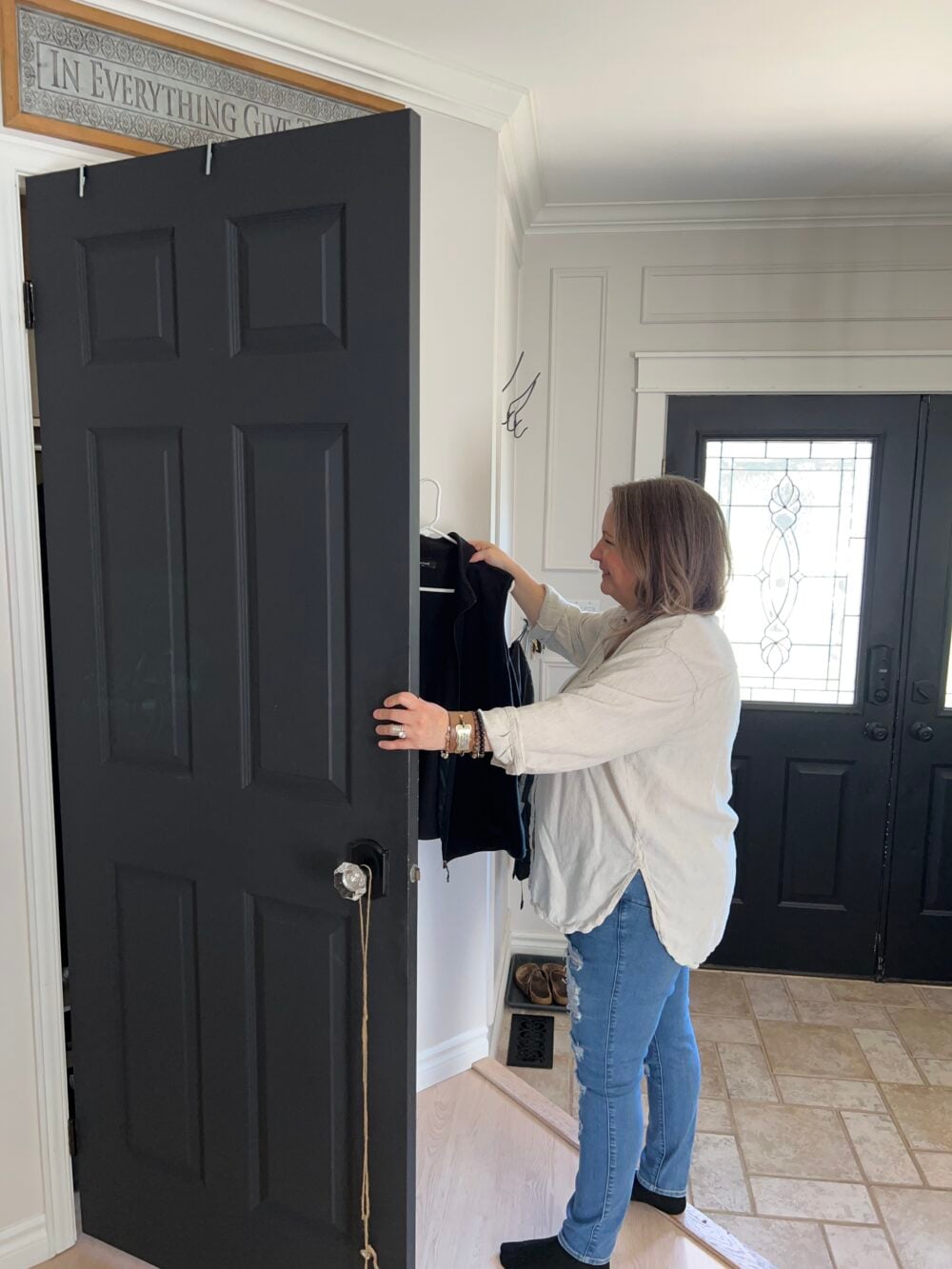
And sometimes good stewardship means recognizing that something is no longer serving us and allowing it to be useful to someone else.
Keeping more isn’t automatically the same thing as appreciating more.
In fact, having too much can make it harder to care well for any of it.
But Don’t Turn Swedish Death Cleaning Into Another Giant Decluttering Project
This is where I’d be careful.
You might read about Swedish Death Cleaning, look around your house and suddenly think:
Okay. I need to go through EVERYTHING.
Please don’t.
If your home already feels overwhelming, turning your entire lifetime of possessions into one giant project isn’t going to make it feel less overwhelming.
Make the problem smaller.
One drawer.
One shelf.
One category.
One little section of a closet.
You don’t need to decide the fate of every possession you’ve accumulated since 1997 this Saturday.
Start with what is obvious.
Trash.
Broken things you’re not going to repair.
Duplicates you don’t need.
Things you already know you don’t want.
Then you can gradually work through the things that require more thought.
The Question I Would Ask Instead
Swedish Death Cleaning essentially asks us to consider what we’re leaving behind for other people to deal with someday.
That’s worth thinking about.
But I’d add another question:
Does this deserve the space, time and energy I’m giving it in my life right now?
Not:
Could I possibly use this someday?
Not:
Did I spend money on this?
Not:
Would someone think I should keep this?
And not even:
Can I find somewhere to store it?
You can organize almost anything if you buy enough containers.
That doesn’t mean you should keep it.
Declutter Before You Organize
This is one reason the order you work in matters so much.
When a space isn’t working, our instinct is often to organize it.
We buy bins.
We rearrange shelves.
We label things.
But organizing things you don’t actually need simply gives your clutter a more attractive place to live.
Before you decide where something belongs, first decide whether it belongs in your home at all.
That’s why Edit comes before Set in my RESET Method.
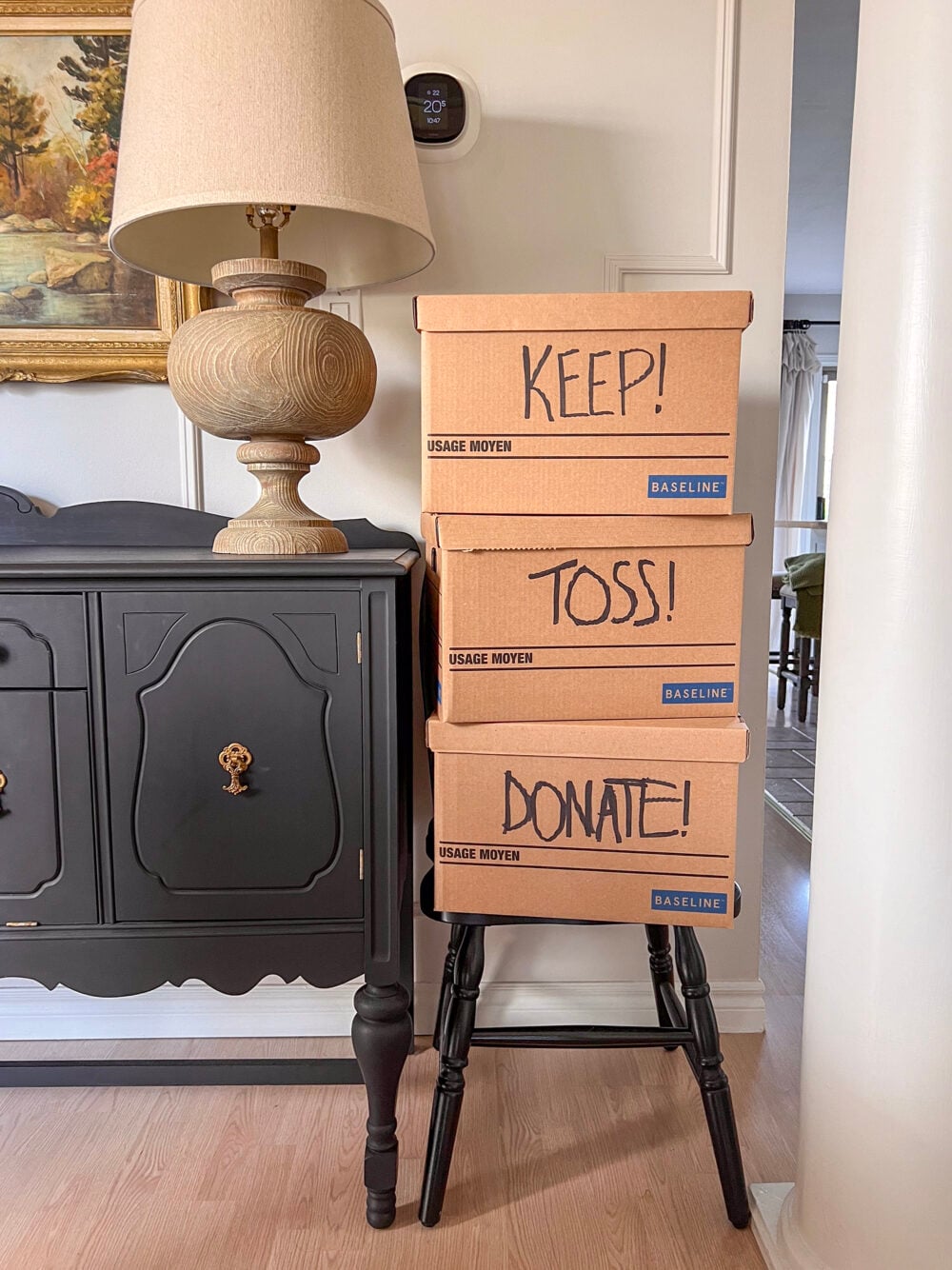
First, decide what you’re keeping.
Then figure out where those things should live.
It’s a lot easier to create an organized home when you’re not asking it to hold things you don’t really want.
You Don’t Need to Become a Minimalist Either
Being intentional about your belongings doesn’t mean your house needs to look sparse.
You can own books.
You can collect things.
You can keep sentimental items.
You can have pretty dishes and throw pillows and Christmas decorations and supplies for hobbies you genuinely enjoy.
I certainly do.
The question isn’t:
How little can I own?
It’s:
Is what I own supporting the life and home I want to have?
That’s a much more useful standard.
Try a Tiny Swedish Death Cleaning Experiment
You don’t have to “death clean” your entire house.
Try this instead.
Choose one small area today.
Maybe it’s a drawer, a shelf or one little section of a closet.
Take everything out and ask:
Do I use this?
Do I genuinely want this?
Is this worth the space and care it requires?
Would I knowingly choose to keep this again today?
You don’t need to be ruthless.
You just need to be intentional.
Keep what deserves to stay.
Release what doesn’t.
Then give the things you’re keeping a home that makes sense for how you actually use them.
That’s a small act of decluttering.
But I think it’s also an act of stewardship.
Because taking good care of your home isn’t about having less just for the sake of having less.
It’s about being thoughtful with what you’ve been given, creating space for what matters and making your home easier to live in now.
And that’s something worth doing long before anyone has to worry about what happens to our stuff after we’re gone.
Want to Make Your Home Easier to Manage?
If you have too much stuff, don’t know where things should live, or find that your home gets messy again no matter how many times you organize it, start by figuring out what’s actually causing the problem.
Take my free Messy Home Diagnostic to discover whether clutter, organization or home habits are creating the biggest challenge in your home right now.
Once you know what’s actually going wrong, it’s much easier to know what to work on next.

Want to see more content like this in your Google searches?
This button tells Google that Home Made Lovely is a source you like, so it can show you more of it.