I think curtains make such a difference in my home and learning how to choose the right curtain fabrics for each room has been a game-changer in how each of my spaces feels and functions. In this guide, I’ll walk you through what I’ve learned about the most popular curtain fabrics, their pros and cons, and how to choose the right one for each room in your home too.
Before we dive in, make sure to check out my How to Choose the Perfect Curtains for Every Room post. It’s a great starting point for selecting curtains based on function, room type, and style. Once you’ve got that foundation, this guide will help you narrow down the fabric options to fit your specific needs, whether you’re after a light, airy vibe or something more luxurious and cozy. Choosing the right fabric for your curtains can make all the difference in getting them to look and work exactly the way you want them to.
How to Choose Curtain Fabrics: The Pros and Cons of Each
1. Linen Curtains
I love the look of linen! Linen is a lightweight, breathable fabric that works well in spaces where you want a relaxed, natural look. The texture adds an organic feel, making it perfect for living rooms, kitchens, or even bedrooms with a light and airy aesthetic.
Pros:
- Light and airy, ideal for creating a casual, relaxed atmosphere.
- Breathable fabric that allows natural light to filter through.
- Great for warmer climates or sunny rooms.
Cons:
- Prone to wrinkling and requires frequent ironing or steaming.
- Offers little insulation, so it’s not great for rooms that need temperature control.
- Can be slightly see-through, offering less privacy if that’s important to you.
2. Velvet Curtains
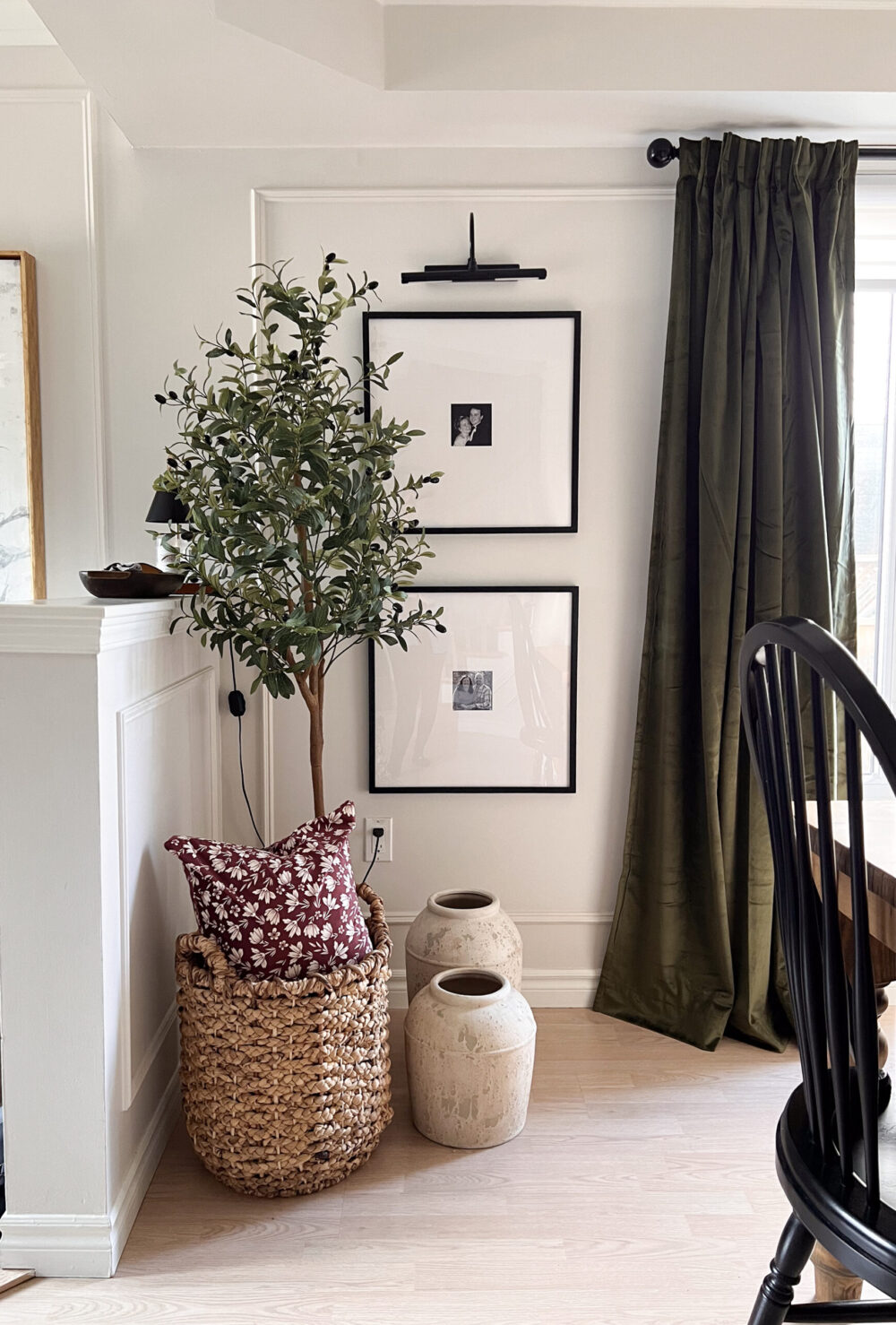
Velvet is a luxurious, heavy fabric that adds a sense of drama and elegance to any room – and I’m currently totally obsessed with it’s look and feel! I just hung olive green velvet curtains in our dining room to add some color in there and I’m planning a swap to cream-colored velvet curtains in our living room. If you want to make a statement with your curtains, velvet is a beautiful choice, especially in living rooms or bedrooms.
Pros:
- Rich texture adds depth and warmth to a room.
- Provides excellent insulation, keeping rooms cooler in summer and warmer in winter.
- Blocks out light very well, making it ideal for bedrooms or media rooms.
Cons:
- Expensive, especially for high-quality velvet.
- Requires regular maintenance to keep the fabric looking fresh and prevent dust buildup.
- Heavy, which can make it harder to hang and maintain.

3. Cotton Curtains
Cotton is a versatile, affordable, and easy-to-care-for fabric that I’ve used for YEARS for our draperies. It’s a great choice for nearly any room, offering a clean and crisp look that works well in both modern and traditional spaces.
Pros:
- Breathable and light, making it ideal for warmer climates.
- Easy to clean and maintain, as it’s machine washable.
- Versatile, works with most design styles, from casual to more polished.
Cons:
- Can shrink when washed, so be sure to pre-wash cotton before hanging.
- Offers little light-blocking or insulation unless it’s a heavier weave.
- Wrinkles easily, so it may need ironing after washing.
4. Silk Curtains
Silk curtains are the epitome of luxury – that I’ve never used in any of our spaces. With a soft, glossy finish, they add an elegant touch to any room. They work especially well in spaces where you want to add a little opulence, like a formal dining room or master bedroom.
Pros:
- Beautiful, glossy finish that catches the light for an elegant look.
- Naturally hypoallergenic, which can be beneficial for sensitive spaces.
- Ideal for creating a sophisticated, high-end aesthetic.
Cons:
- Very delicate and requires careful handling (<–this is why I’ve never used them).
- Expensive compared to other fabrics (<–this too).
- Requires dry cleaning and proper care to avoid damage from sunlight and moisture (<–also this!).
5. Polyester Curtains
Polyester is a durable, low-maintenance option that’s both affordable and easy to care for. It’s a great choice for high-traffic areas or spaces where you want something that can handle the wear and tear of everyday life without breaking the bank – which makes it a great option if you have little kids!
Pros:
- Affordable and easy to maintain.
- Holds its shape well and doesn’t wrinkle easily.
- Available in a wide range of colors and textures, from light sheers to heavy blackout fabrics.
Cons:
- Doesn’t offer the same luxurious feel as natural fibers like linen or velvet.
- Can trap static electricity, making it a dust magnet.
- May not have the same breathability as natural fabrics, which can be a consideration for warm climates.

6. Sheer Curtains
Sheer curtains are made from lightweight, translucent fabrics that provide privacy while still allowing light to filter through. They are a perfect choice for spaces where you want to soften the light and create a delicate, airy atmosphere. I loved the sheer curtains we had on our main floor windows when we first moved here. (Over time, I realized we needed a little more privacy though, which is why I changed them out for other, more opaque fabrics.)
Pros:
- Softens natural light and adds a gentle, ethereal vibe to a room.
- Great for creating privacy while still allowing light to come in.
- Works well in layered curtain treatments (paired with heavier drapes or blinds).
Cons:
- Offers little insulation or soundproofing.
- Not ideal for rooms where you need total privacy or light-blocking, like bedrooms.
- May need to be layered with another fabric for a more finished look.
7. Jacquard Curtains
Jacquard fabrics are woven with intricate patterns, making them a great option if you’re looking to add texture and interest to your curtains. These curtains are perfect for spaces that need a bit of sophistication, such as a formal living room or dining room. (This is also not a fabric I’ve used, because I don’t have these kinds of spaces in my home.)
Pros:
- Rich texture and pattern add depth and visual interest to a room.
- Durable and can last a long time with proper care.
- Available in a wide range of colors and styles.
Cons:
- Heavier than most fabrics, making them difficult to hang and clean.
- Can be expensive, depending on the complexity of the design.
- Can feel stiff and formal, which may not suit more casual or minimalist spaces.
FAQs
Consider the room’s function, amount of natural light, and how much maintenance you want to do. For example, light fabrics like linen are perfect for sunny spaces, while velvet is ideal for rooms needing insulation.
Yes! Mixing fabrics can add texture and visual interest. For example, combining sheer curtains with heavier drapes for a layered look is a great option.
Yes, polyester is durable, easy to maintain, and comes in a wide range of styles, making it a great option for living rooms and other high-traffic areas.
Yes, silk curtains require dry cleaning and care to avoid damage from sunlight and moisture. They are best for more formal spaces or places where you’re okay with extra upkeep.
Velvet curtains should be vacuumed regularly to prevent dust buildup. Professional cleaning is recommended to maintain their luxurious texture and sheen.
More Ideas for Curtains
Choosing the right curtain fabric is about balancing aesthetics, functionality, and maintenance. Whether you’re looking for the light, airy feel of linen or the luxurious depth of velvet, consider the needs of the room, your climate, and how much upkeep you’re willing to do. With this how to choose curtain fabric guide, you’ll be able to make a decision that’s perfect for your home and style.
Do you have a favorite or go-to curtain fabric that you use in your home? Let me know in the comments below!

Want to see more content like this in your Google searches?
This button tells Google that Home Made Lovely is a source you like, so it can show you more of it.