Do you ever feel like the piles of paper in your home are multiplying like rabbits? Whether it’s your children’s schoolwork, art projects, bills, receipts, magazines, or junk mail, they seem to take over the kitchen table, your desk, or the entryway. Paper clutter is one of the worst types because it keeps coming back and can be incredibly overwhelming if not dealt with right away.

Here’s the important caveat: you cannot organize clutter. To get started, you must purge the accumulated paper before putting any systems in place. Are you with me on that? You can’t organize clutter; you need to clear it out first. The bright side is that once you tackle it, paper clutter can be managed fairly quickly and easily. While you might find yourself having to go through things once or twice a year due to laziness or forgetfulness, it does become easier to control after implementing these steps.
How to Tame the Paper Clutter
Step 1: Gather and Purge
Start by gathering all the paper from your home. Look through the front entry table, kitchen counter, desk, and don’t forget places like purses, coat pockets, and even your vehicle for hidden receipts. I usually clear off a big dining room table or a kitchen island for this task since it allows plenty of space.
Next, do a quick sort-through. You don’t need to separate everything by type just yet. Instead, create four piles:
- Save: Important papers you need for tax purposes or personal records.
- Scan: Papers that you can digitize and discard.
- Recycle: Junk that can be tossed, like expired coupons and old menus. I personally avoid recycling papers with personal details, but things like receipts without sensitive information are fine.
- Shred: Papers with personal information that you need to dispose of securely.
Once you’ve sorted everything, take the scanning pile and digitize it. I recommend keeping scanned documents backed up on a cloud service or an external hard drive to ensure they’re secure.
Step 2: Keep Important Documents Organized
For important documents like medical files, tax returns, and insurance papers, decide whether to keep them in paper form or digitize them. I’ve set up a portable file hanger in my kitchen desk drawer for all our essential bills. When new bills come in, I open them, note the amounts in our budget spreadsheet, and file them away immediately. This way, I avoid the overwhelming pile-up. You can also create a family command center like I did at our last house to keep these things from overrunning the house!

Step 3: Create a Logical Filing System
You need a filing system that makes sense for your household. Although I still struggle with repetitive tasks like filing, I’m working on it. For instance, I keep our utility bills in one folder. By grouping bills together based on their purpose, I can easily grab what I need come tax time without rifling through multiple folders. I also keep extra empty folders handy for new paperwork that comes in.
Step 4: Go Paperless
Where possible, switch to paperless billing and bank statements. Most of our bills arrive in my email inbox, which I can organize into virtual folders. This method not only reduces paper clutter but also makes it easier to find documents when needed. While I prefer to check my bills manually to avoid surprises, having everything digitally filed saves me time and effort.
Step 5: Implement Recycling and Action Stations
Having a recycling bin or pretty basket labeled for recycling near the front door can help you immediately dispose of unwanted flyers and junk mail. In our home, we also put a note on our mailbox requesting no flyers, which significantly cuts down on the clutter.
Additionally, create an action station for papers that require your attention. For example, after starting a new Registered Retirement Savings Plan (RRSP), I set aside a small tray for paperwork that needs signatures or follow-ups. This keeps important documents accessible and ensures I don’t forget to address them.
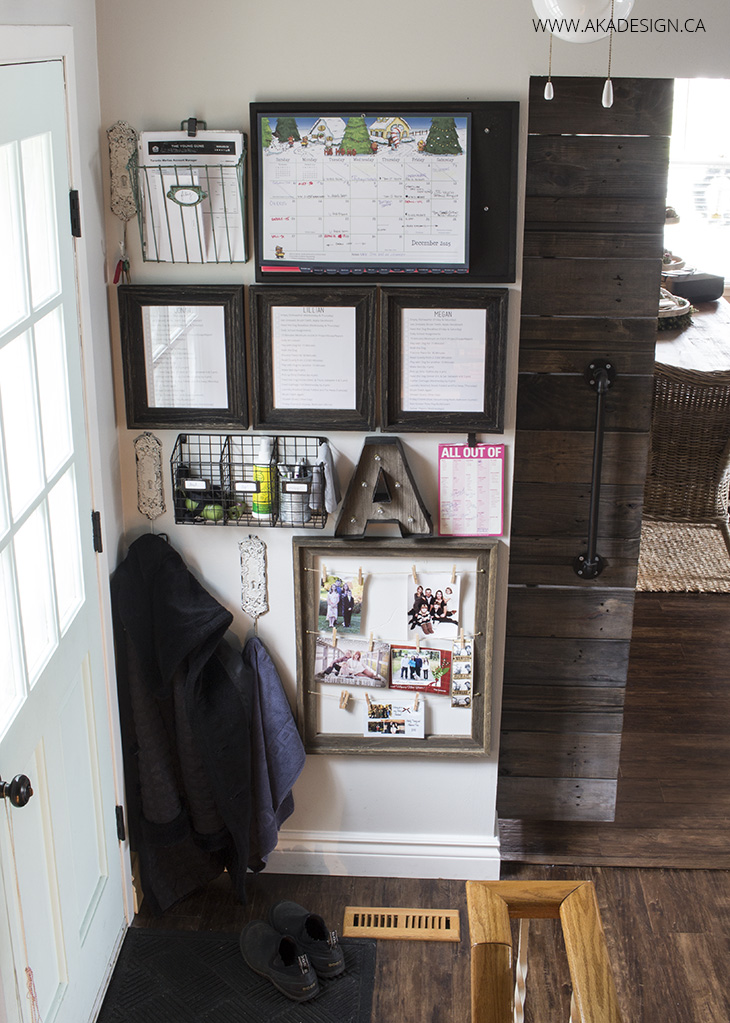
Step 6: Set Up a Family Command Center
Another effective way to manage paper clutter is to create a family command center. At our old house, we had a designated wall by the back door where we set up a bulletin board, a calendar, and the kids’ chore charts. We used frames with plastic or glass fronts for the chore charts so the kids could check off their tasks with a dry-erase marker. This area was also where we kept our meal plan and grocery list, providing a central location to corral everything. Having this command center helped us stay organized and ensured everyone was on the same page about family activities and responsibilities.
Paper Clutter FAQs
It’s important to keep essential documents like tax records, legal papers, and medical files, while you can usually discard things like junk mail, expired coupons, and outdated catalogs.
Generally, it’s wise to keep tax returns for at least seven years, while other important documents can vary in duration based on their type (e.g., property deeds should be kept indefinitely).
Start with broad categories (like finance, health, and education) and then break them down into subcategories. Use clearly labeled folders or binders to make accessing information easier.
Set a regular schedule to review and purge papers, like once a month or quarterly. This will help you stay on top of things and prevent clutter from building up again.
Yes! Consider using apps like Evernote, Dropbox, or specific scanning apps that can help you digitize and organize your important documents, reducing the amount of physical paper you need to manage.
More Decluttering Ideas
- How to Start Decluttering When You’re Overwhelmed
- 10 Types of Clutter You Probably Have in Your Home
- The 5 Decluttering Methods
- 5 Essential Tips to Make Decluttering Easier
- How to Declutter Your Home Room-By-Room
- FAQs About Decluttering Your Home
- How to Declutter Sentimental Things
- Get Rid of Paper Clutter Once and For All
- Why is Decluttering Your Home Important?
- 50 Things You Should “Throw Away” Today + Free Printable Checklist
- What Not to Do When Decluttering
- 9 Creative Ways to Easily Declutter Your Home Right Now
- 30 Things That Make Your Home Look Cluttered
By following these steps, I’ve found that I can effectively tackle paper clutter in my home most of the time, and I know you can too. Remember, purging comes first—don’t skip this crucial step! Once you’ve cleared out the excess, it’s all about establishing a manageable filing system that works for you and your family. With just a bit of effort and organization, you’ll see that paper clutter becomes much easier to control. Before you know it, you’ll be reclaiming your kitchen table, desk, and entryway from those pesky, ever-growing piles!
Do you have paper clutter piled up at your house? Would you like to get it under control? Let me know in the comments below!

Want to see more content like this in your Google searches?
This button tells Google that Home Made Lovely is a source you like, so it can show you more of it.